Firmware update interruption and recovery resilience
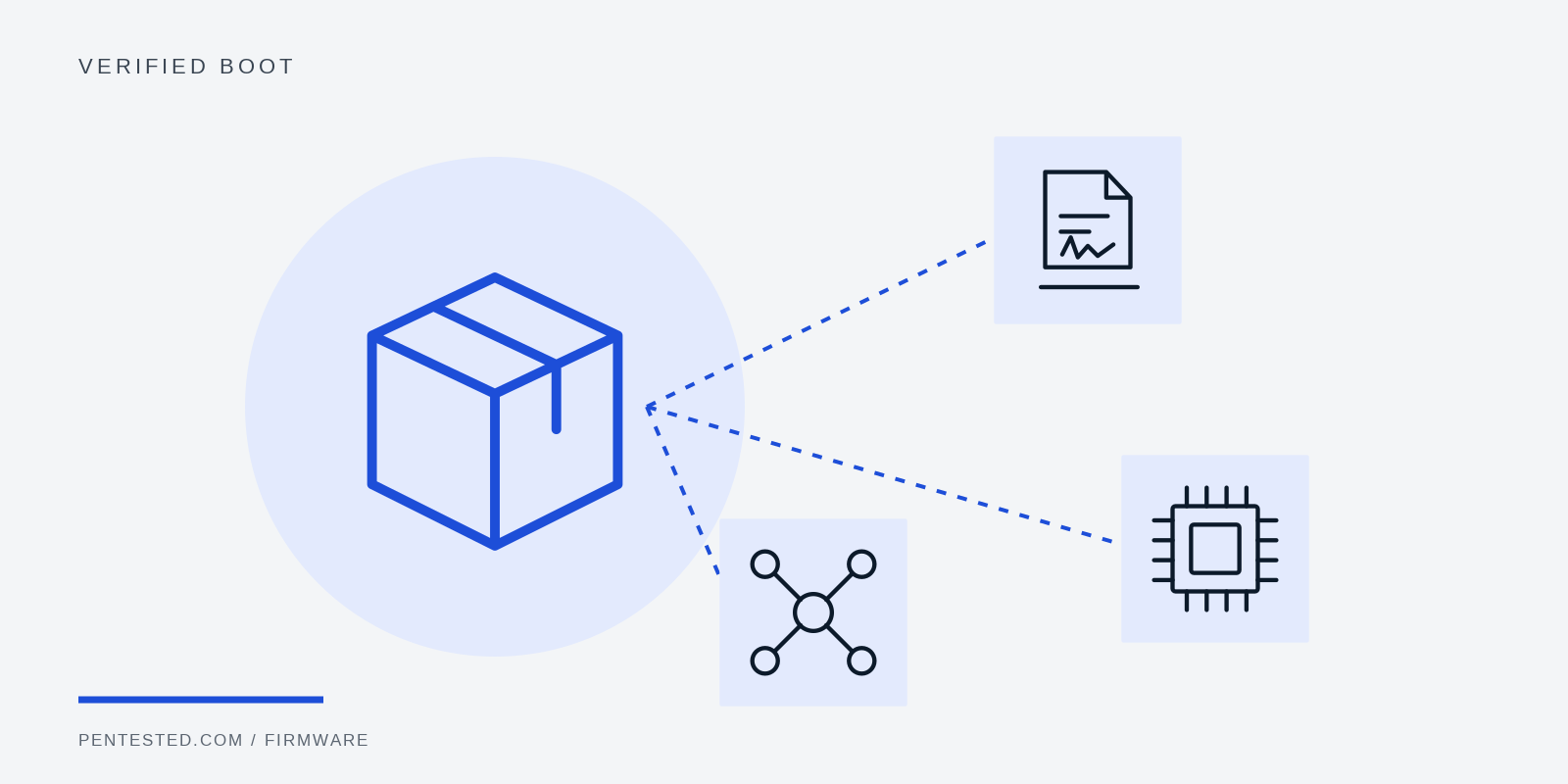
An interrupted update should not leave the device in an unauthenticated or permanently unusable state. Understanding firmware update interruption and recovery resilience helps establish which security property the feature needs and where that property is actually enforced.
What does this involve?
An update mechanism grants the ability to change trusted software or configuration. It needs deliberate control over who may initiate the operation, which content is accepted and what happens after failure, interruption or an attempted downgrade.
In this stage, perform dynamic testing while a device is running in its normal or emulated environment. Objectives in this stage may vary depending on the project and level of access given. Typically, this involves tampering of bootloader configurations, web and API testing, fuzzing \(network and application services\), as well as active scanning using various toolsets to acquire elevated access \(root\) and/or code execution.
Attempt to upload custom firmware and/or compiled binaries for integrity or signature verification flaws. For example, compile a backdoor bind shell that starts upon boot using the following steps.
Why it matters
Consider a realistic failure: a power loss causes the next boot to use an unverified fallback image.
An unauthorised or unsafe update can alter device behaviour for a long period and may affect many installations. Recovery paths can be as important as the normal updater because they often operate under exceptional conditions.
Firmware evidence should identify the image, installed configuration and execution conditions. Static analysis, emulation and hardware testing answer different questions and should support a consistent conclusion.
How penetration testers check for it
Assess safe interruption points, fallback selection and recovery authenticity.
- Authentication and authorisation schemes are validated against the same framework across ecosystem applications as well as the firmware operating system platform.
- Test whether default usernames and passwords are used.
- Perform directory traversal and content discovery on web pages to identify debug or testing functionality.
- Setup a tftp server to load images over the network locally from your workstation. Ensure the device has network access.
- Assess modified, invalid and old packages under controlled conditions.
- Review interruption, fallback and recovery behaviour.
How to fix it
Design verified recovery and transaction-like update handling appropriate to the hardware.
- Authenticate the content before installation and use.
- Protect update authority and signing keys.
- Apply a justified version and rollback policy.
- Maintain verified recovery that preserves the intended trust boundary.
Transport encryption and package signatures protect different properties. A safe design should explain its complete authenticity and recovery model instead of relying on one visible protection.
Recheck the changed behaviour against the original failure conditions and the legitimate user journey. Keep enough evidence to show which release and configuration were verified, and include related entry points that depend on the same security decision.
Related issues
- Firmware rollback protection and vulnerable release recovery
- Protecting firmware update transport and download endpoints
- Encryption of firmware update packages
Read about our methodology or contact pentested.com to discuss your firmware and embedded systems.