Firmware rollback protection and vulnerable release recovery
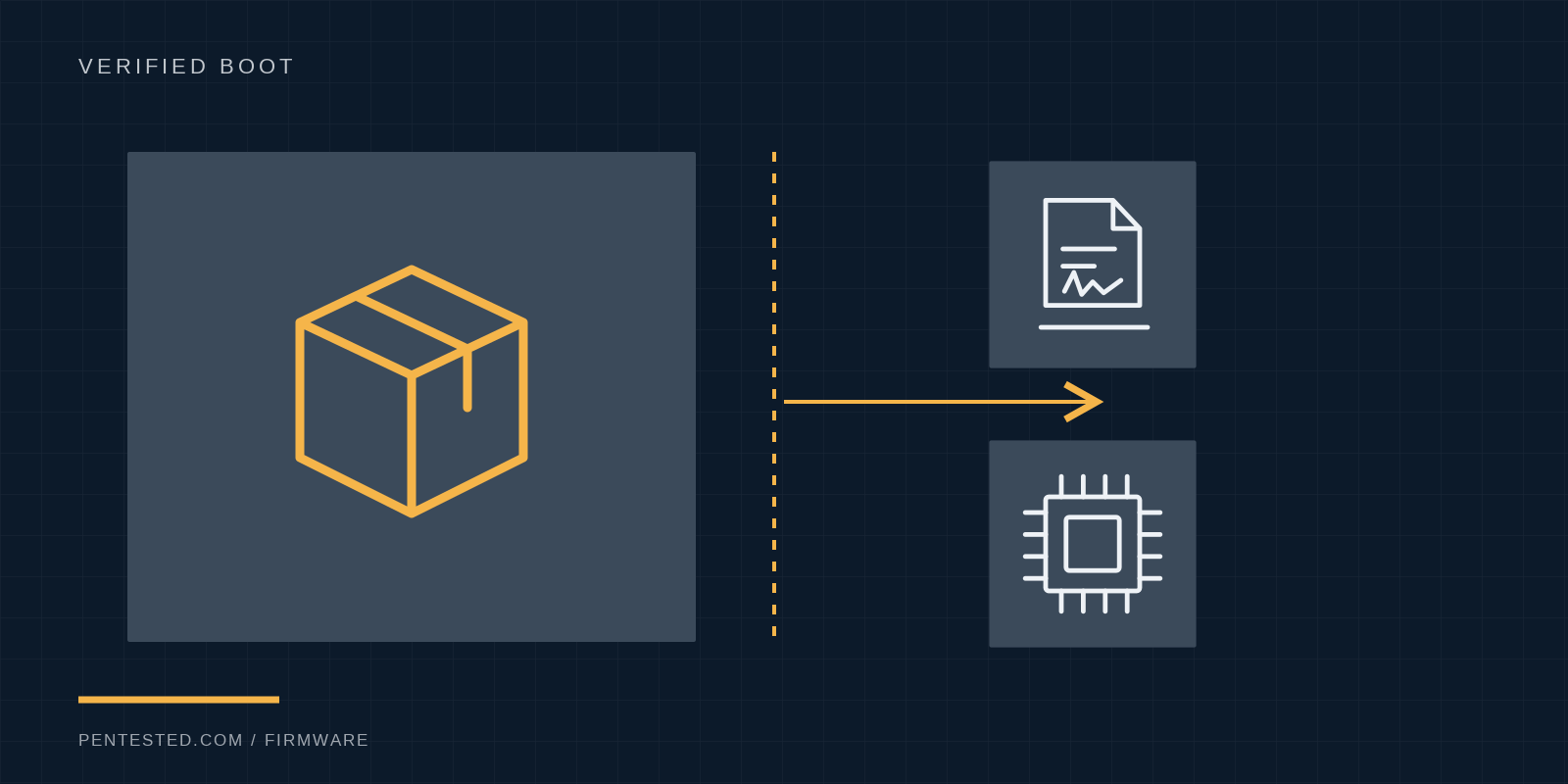
Rollback protection limits whether an attacker can restore a known vulnerable release. Understanding firmware rollback protection and vulnerable release recovery helps establish which security property the feature needs and where that property is actually enforced.
What does this involve?
An update mechanism grants the ability to change trusted software or configuration. It needs deliberate control over who may initiate the operation, which content is accepted and what happens after failure, interruption or an attempted downgrade.
Some manufacturers implement a rollback protection for their devices. This rollback protection prevents updating a device firmware to an older version than the currently installed one. This way, an attacker can not install a valid but outdated firmware in order to exploit known vulnerabilities of that version.
Why it matters
Consider a realistic failure: a recovery mode installs an older signed version that the normal updater rejects.
An unauthorised or unsafe update can alter device behaviour for a long period and may affect many installations. Recovery paths can be as important as the normal updater because they often operate under exceptional conditions.
Firmware evidence should identify the image, installed configuration and execution conditions. Static analysis, emulation and hardware testing answer different questions and should support a consistent conclusion.
How penetration testers check for it
Test version rules and counters across normal, recovery and alternate installation paths.
- It has to be assessed whether it is possible to install older versions of the firmware.
- OWASP IoT Security Verification Standard (ISVS) — Related requirements: V3.4.6 (device cannot be downgraded to known vulnerable versions — anti-rollback).
- Assess modified, invalid and old packages under controlled conditions.
- Review interruption, fallback and recovery behaviour.
How to fix it
Enforce deliberate version policy and document any controlled downgrade exception.
- Authenticate the content before installation and use.
- Protect update authority and signing keys.
- Apply a justified version and rollback policy.
- Maintain verified recovery that preserves the intended trust boundary.
Transport encryption and package signatures protect different properties. A safe design should explain its complete authenticity and recovery model instead of relying on one visible protection.
Recheck the changed behaviour against the original failure conditions and the legitimate user journey. Keep enough evidence to show which release and configuration were verified, and include related entry points that depend on the same security decision.
Related issues
- Firmware update interruption and recovery resilience
- Who can trigger firmware updates and recovery operations
- Protecting firmware update transport and download endpoints
Read about our methodology or contact pentested.com to discuss your firmware and embedded systems.