Penetration testing and security guides — page 9
How penetration tests work, what the findings mean and how to fix them.

What website framework detection reveals
Understand what website framework detection reveals, how testers verify software clues, and how to reduce exposure while keeping components secure.

Extracting model behaviour through application queries
Review model behaviour through application queries. Understand the business impact and the checks that guide an effective fix with practical examples.
Shadow APIs, forgotten versions and inventory gaps
Understand shadow APIs and forgotten versions and inventory gaps. Explore realistic risks, testing checks and practical fixes with practical examples.
Auditing application anti-automation requirements
Explore application anti-automation requirements. Learn how it affects your business, what testers verify and which practical changes reduce the risk.

Implementing consistent server-side authorisation checks
Review consistent server-side authorisation checks. Understand the business impact and the checks that guide an effective fix with practical examples.

Distinguishing compressed, encrypted and bare-metal firmware
Review compressed and encrypted and bare-metal firmware. Understand the business impact and the checks that guide an effective fix for security teams.

User information recoverable from IoT device memory
Explore user information recoverable from IoT device memory. Understand the business impact and the checks that guide an effective fix for developers.
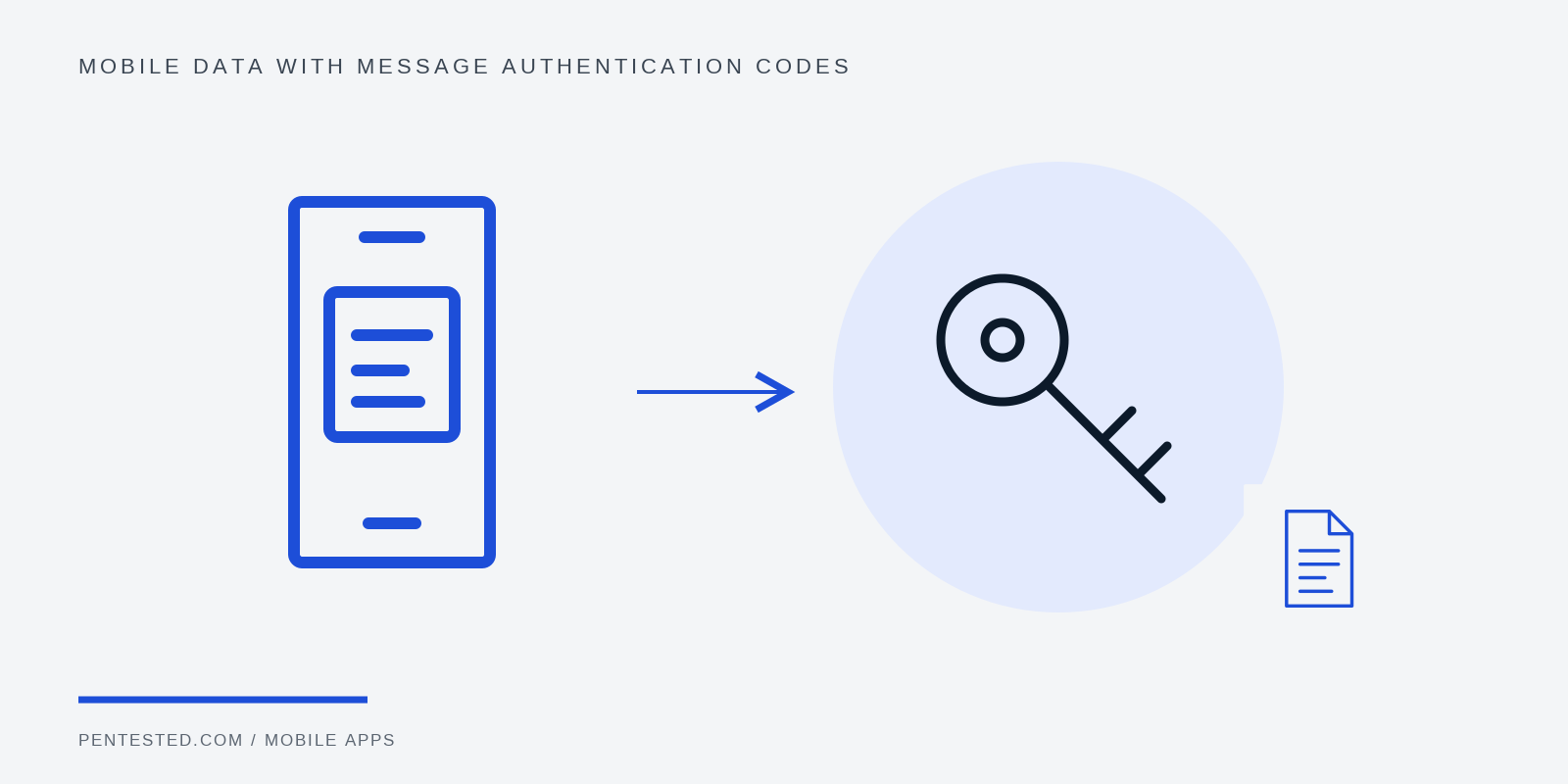
Authenticating mobile data with message authentication codes
Review mobile data with message authentication codes. See practical examples, useful verification checks and ways to strengthen the relevant controls.

Why website software detection matters
Learn why website software detection matters for security, how testers identify installed products, and how to manage versions, extensions and ownership.