Shadow APIs, forgotten versions and inventory gaps
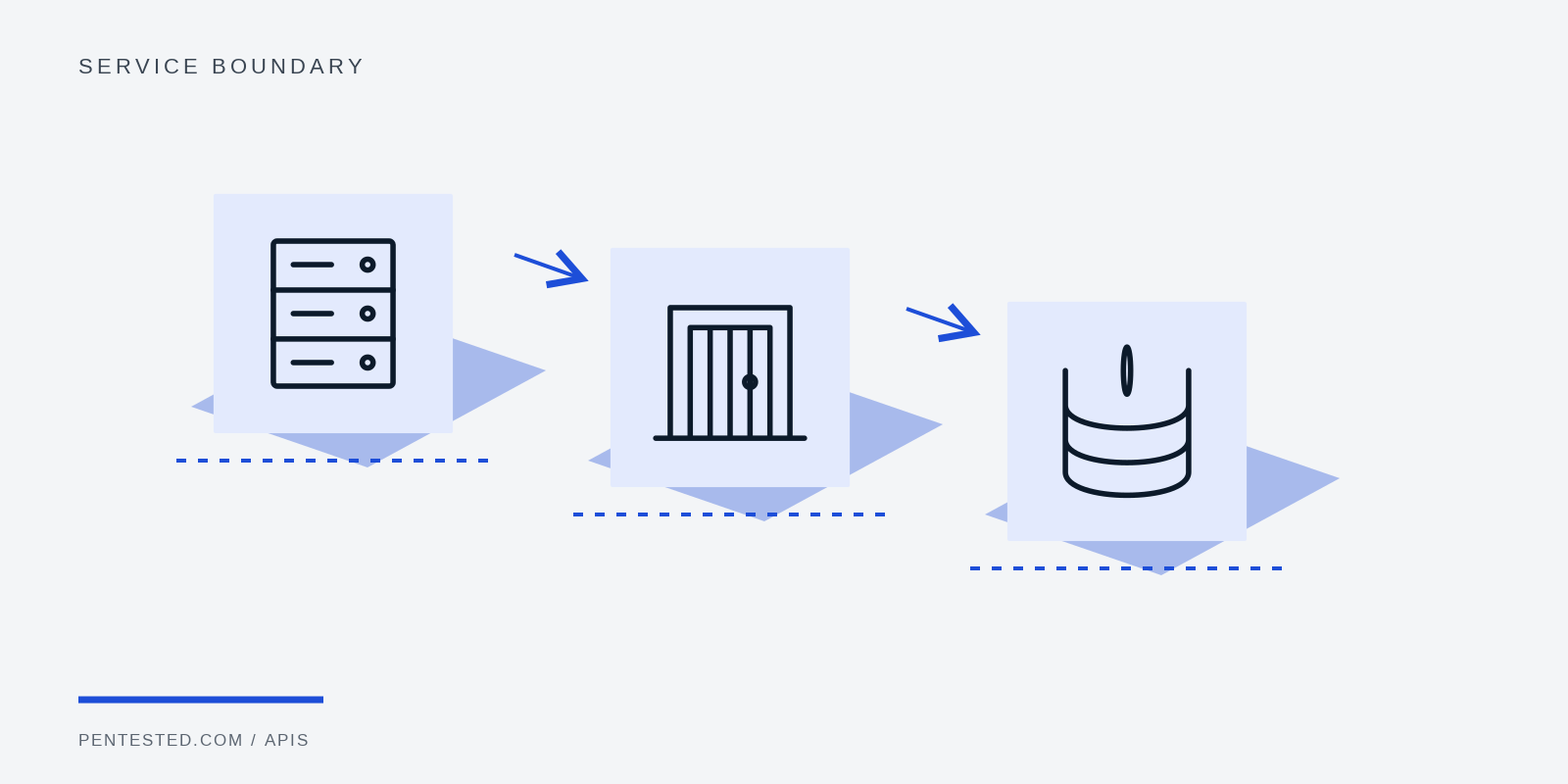
An API inventory must describe the interfaces actually deployed, including older and unofficial versions. Understanding shadow APIs and forgotten versions and inventory gaps helps establish which security property the feature needs and where that property is actually enforced.
What does this involve?
Security architecture describes assets, identities, trust boundaries and the controls expected between components. Documentation is useful when it reflects real deployment and helps reviewers test important assumptions, rather than simply listing products or broad intentions.
Why it matters
Consider a realistic failure: an old mobile API remains active after its replacement receives stronger access checks.
An undocumented trust assumption can leave a feature depending on a check that no component actually performs. Gaps may span applications, services and operational processes, making ownership and verification especially important.
An API review follows the server-side behaviour behind the interface. Direct requests, alternate methods and background operations can reveal boundaries that the normal frontend journey does not exercise.
How penetration testers check for it
Compare host discovery, traffic, contracts, versions and service ownership.
- Map sensitive data and consequential operations.
- Identify the component responsible for each security decision.
- Compare documented trust relationships with deployment and code.
- Record assumptions, exceptions and evidence of enforcement.
How to fix it
Track deployed endpoints and retire unsupported routes through a verified change process.
- Make security requirements concrete and assign owners.
- Keep diagrams and inventories aligned with releases.
- Reduce unnecessary trust and privilege between components.
- Verify important requirements through focused review and testing.
A diagram or checklist is planning evidence, not proof that a control works. Assurance comes from connecting the stated requirement to implementation and observed behaviour.
Recheck the changed behaviour against the original failure conditions and the legitimate user journey. Keep enough evidence to show which release and configuration were verified, and include related entry points that depend on the same security decision.
Related issues
- Broken function-level authorisation in APIs
- OAuth access token audience and scope validation in APIs
- Broken object-level authorisation in APIs
Read about our methodology or contact pentested.com to discuss your APIs and integrations.