Application attestation and server-side verification
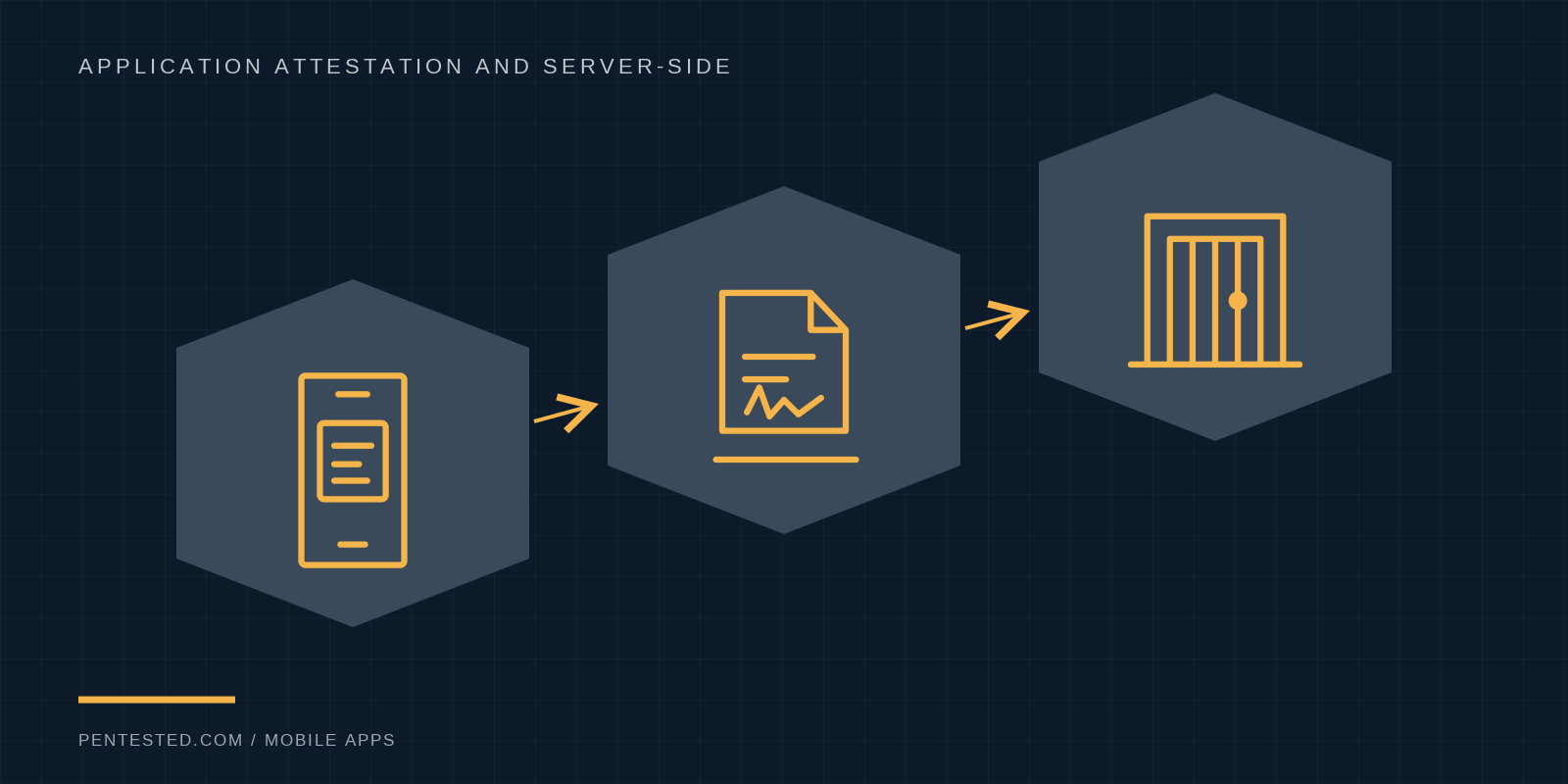
Application attestation helps a backend evaluate claims about the software making a request. Understanding application attestation and server-side verification helps establish which security property the feature needs and where that property is actually enforced.
What does this involve?
Resilience measures can make inspection, modification or misuse more difficult under a defined threat model. They are supplementary controls around an application that still needs sound server permissions, protected keys and safe handling of untrusted information.
For Android apps, the cryptographic strength of the APK signature is essential for maintaining the app's integrity and authenticity. Using a signature key with insufficient length, such as an RSA key shorter than 2048 bits, weakens security, making it easier for attackers to compromise the signature. This vulnerability could allow malicious actors to forge signatures, tamper with the app's code, or distribute unauthorised, modified versions.
On iOS, code signatures verify the integrity and authenticity of an app's binary, preventing unauthorised modifications and ensuring that the app is trusted by the operating system. Apple regularly updates its code signature formats to enhance cryptographic strength and improve protection against tampering.
Why it matters
Consider a realistic failure: an attestation created for another app or challenge is reused to obtain access.
The value of a resilience weakness depends on what analysis or modification enables. Revealing ordinary client code is different from obtaining a privileged credential or making the service trust a forged security decision.
Mobile behaviour can change between a fresh installation, an authenticated session, background activity and a device migration. The assessment needs the actual release and representative supported device states.
How penetration testers check for it
Check app identity, freshness, trusted verification and request binding.
- Identify the asset and threat the control is meant to address.
- Assess realistic modification and analysis paths.
- Observe the effect on protected operations and server decisions.
- Distinguish increased analysis effort from enforced security boundaries.
How to fix it
Validate expected application claims and avoid accepting reusable unbound assertions.
- Remove secrets and unnecessary authority from distributed clients.
- Use proportionate maintained platform protections.
- Bind important assertions to trusted verification.
- Plan safe failure, recovery and legitimate user support.
Root detection, obfuscation and similar measures are not universal requirements for every application. A finding should explain why the particular control matters to the assessed product.
Recheck the changed behaviour against the original failure conditions and the legitimate user journey. Keep enough evidence to show which release and configuration were verified, and include related entry points that depend on the same security decision.
Related issues
- Server-side request forgery through API integrations
- Implementing consistent server-side authorisation checks
- Using device attestation to support mobile risk decisions
Read about our methodology or contact pentested.com to discuss your mobile applications.