Server-side request forgery through API integrations
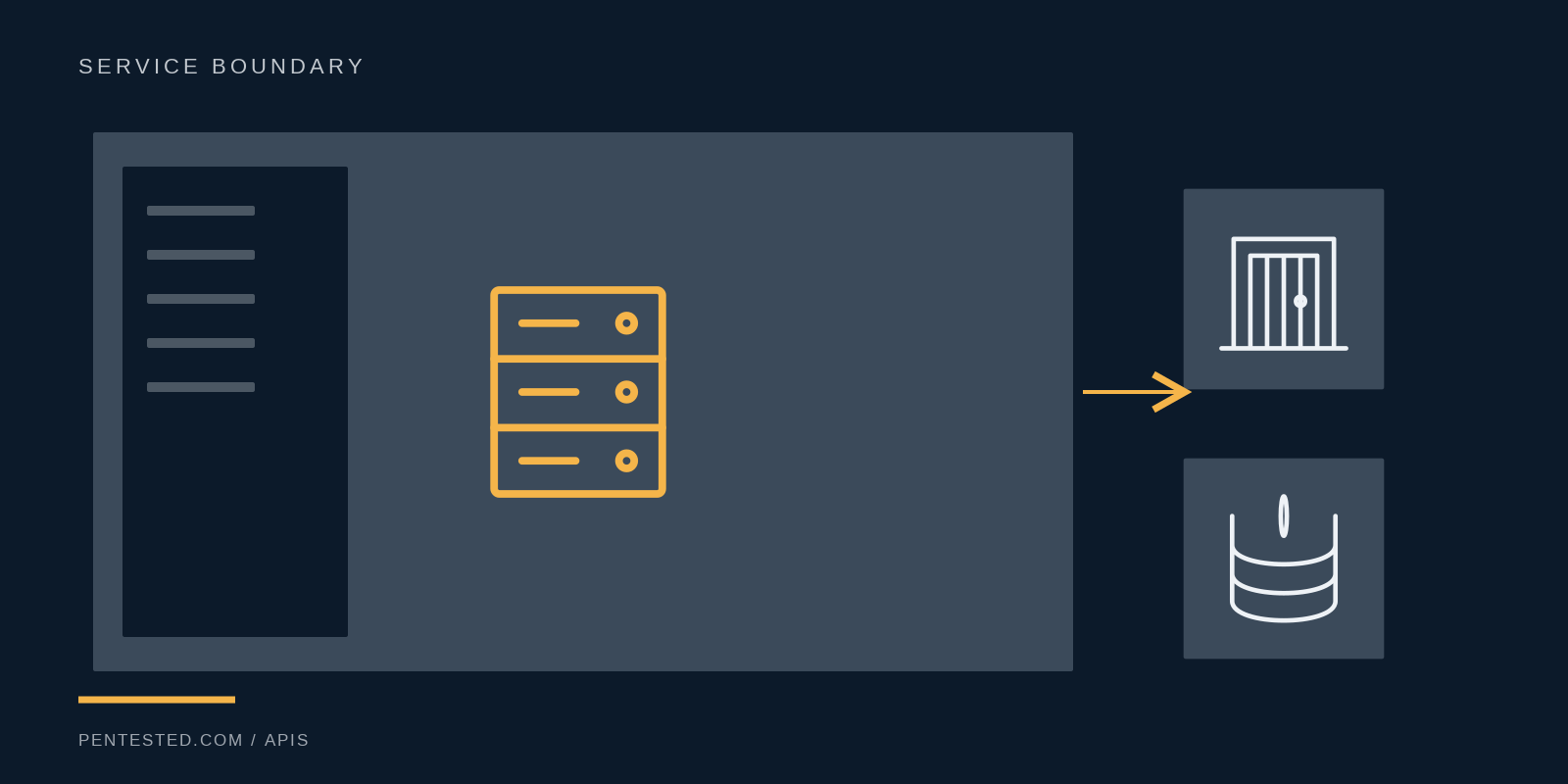
An API that retrieves a supplied URL can become a route into services the caller cannot reach directly. Understanding server-side request forgery through API integrations helps establish which security property the feature needs and where that property is actually enforced.
What does this involve?
A framework provides useful security mechanisms only when the application uses them consistently and deploys them with appropriate settings. Custom handlers, plugins and alternate execution paths can bypass protections that the development team assumes are automatic.
Why it matters
Consider a realistic failure: a document importer follows a redirect to an unintended internal destination.
A configuration or integration mistake can affect many routes at once. The important question is which application data and operations become reachable, rather than whether a framework option merely differs from its default.
An API review follows the server-side behaviour behind the interface. Direct requests, alternate methods and background operations can reveal boundaries that the normal frontend journey does not exercise.
How penetration testers check for it
Review URL parsing, redirects, name resolution and permitted outbound destinations.
- Review supported runtime versions and release settings.
- Trace identity, input and output through real application paths.
- Inspect custom integrations and security overrides.
- Test important negative cases alongside ordinary functionality.
How to fix it
Constrain destinations and protocols and enforce network boundaries around outbound requests.
- Use maintained framework features and supported versions.
- Keep security-sensitive configuration explicit and reviewed.
- Avoid unnecessary custom replacements for trusted mechanisms.
- Retain regression checks for the application's actual trust boundaries.
A secure framework cannot determine every business permission or data ownership rule. Those requirements still need clear application design and enforcement.
Recheck the changed behaviour against the original failure conditions and the legitimate user journey. Keep enough evidence to show which release and configuration were verified, and include related entry points that depend on the same security decision.
Related issues
- API request schema and content type validation
- HTTP request smuggling across API proxies
- API redirects and credential leakage to external services
Read about our methodology or contact pentested.com to discuss your APIs and integrations.