Penetration testing and security guides — page 7
How penetration tests work, what the findings mean and how to fix them.

Why website entry points need security testing
Understand how website entry points affect security testing, why overlooked inputs matter, and how to protect every route that accepts business data.
Hidden AI context, system prompts and internal state exposure
Explore hidden AI context and system prompts and internal state exposure. Explore realistic risks, testing checks and practical fixes for developers.
Server-side request forgery through API integrations
Review server-side request forgery through API integrations. Understand the business impact and the checks that guide an effective fix for developers.
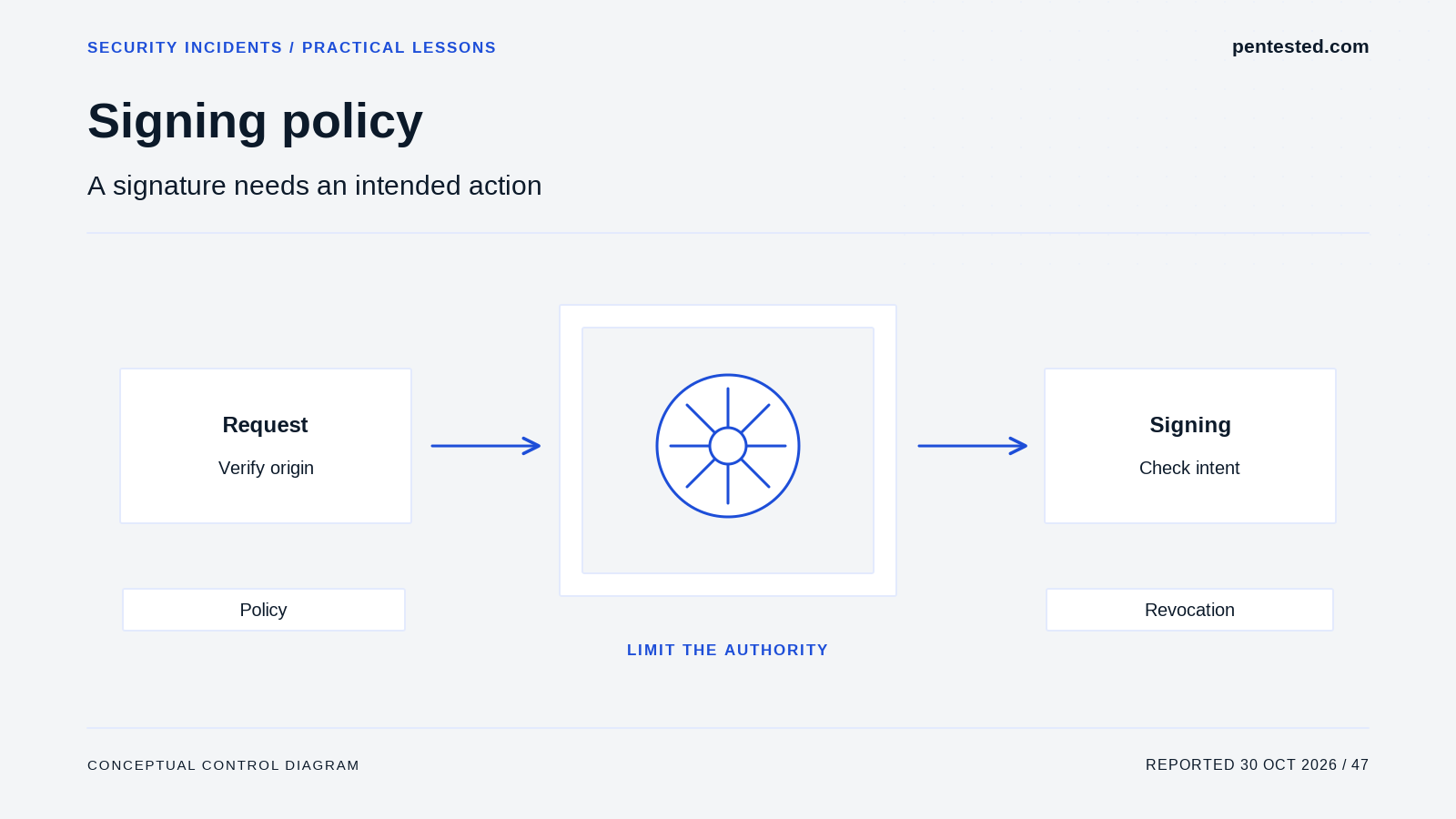
What the Binance security incident reveals about transaction controls
Examine the Binance security incident and why signing-service policy, developer permissions and transaction revocation belong in a digital-asset review.
Auditing application input validation and canonicalisation
Review application input validation and canonicalisation. Understand the business impact and the checks that guide an effective fix for security teams.
Implementing secure application login flows
Review secure application login flows. See practical examples, useful verification checks and ways to strengthen the relevant controls for developers.
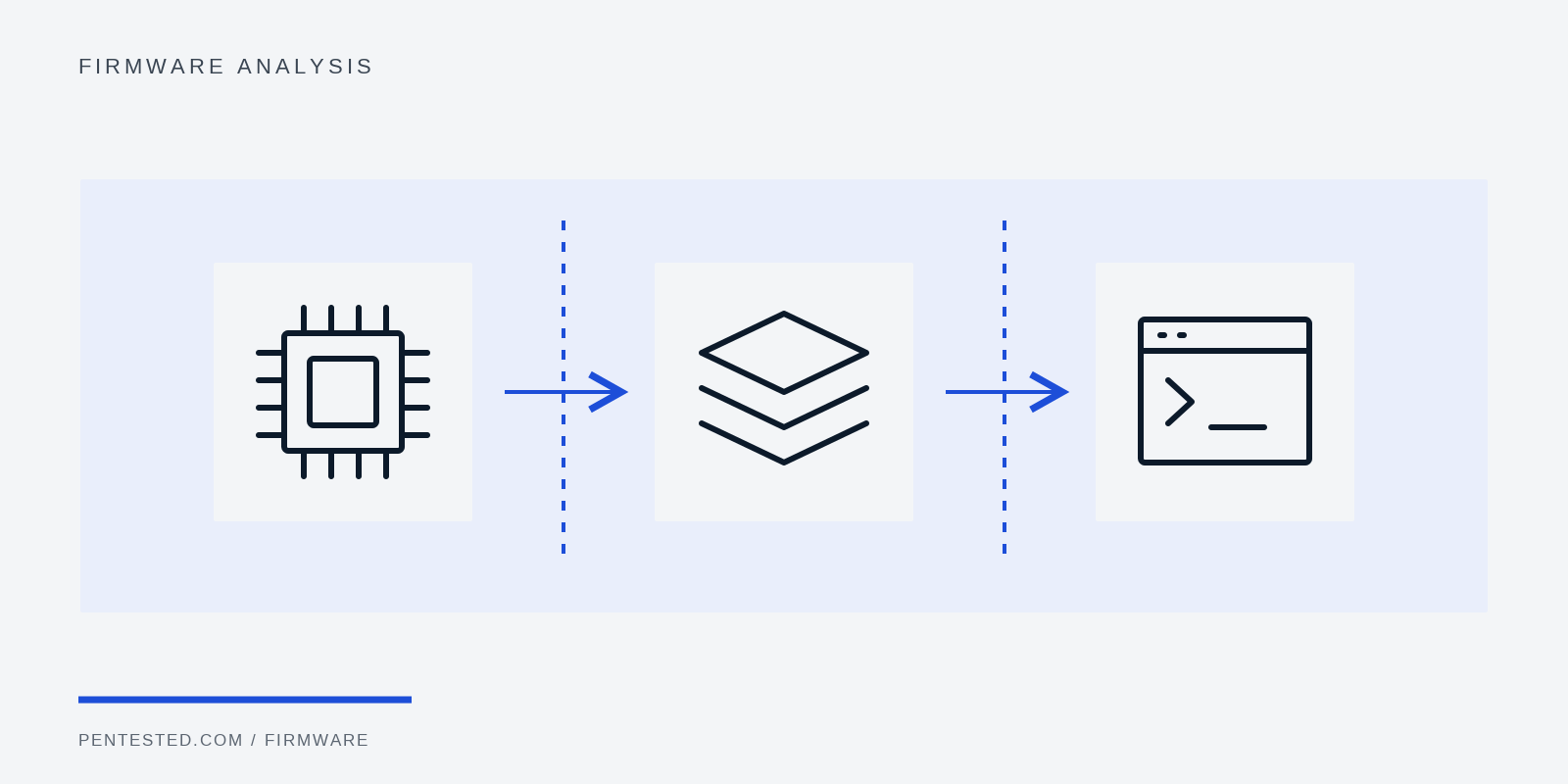
Preserving firmware evidence and reproducible analysis inputs
Explore firmware evidence and reproducible analysis inputs. Understand the business impact and the checks that guide an effective fix for developers.
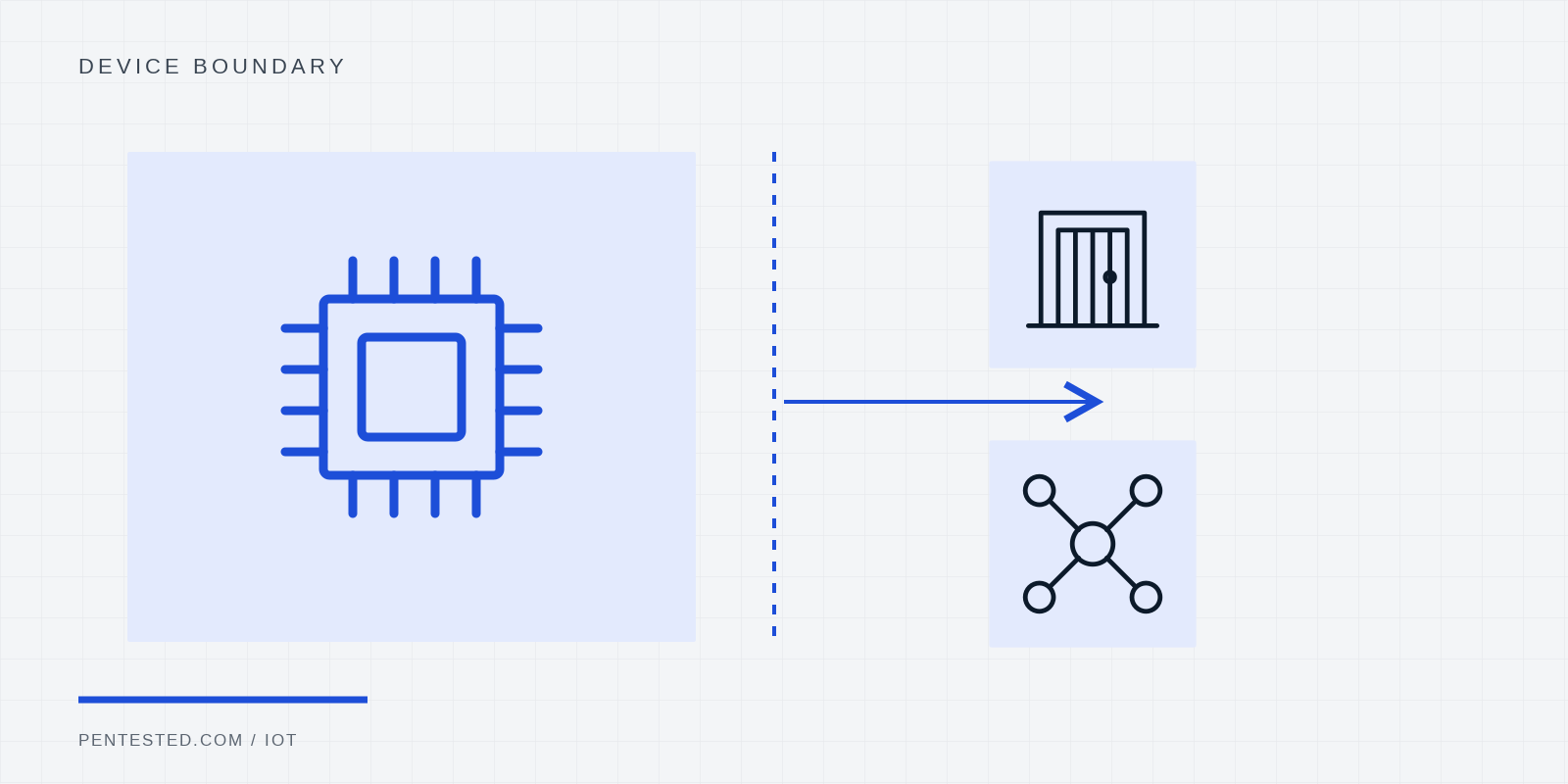
Side-channel exposure from IoT processing units
Explore side-channel exposure from IoT processing units. Understand the business impact and the checks that guide an effective fix for security teams.
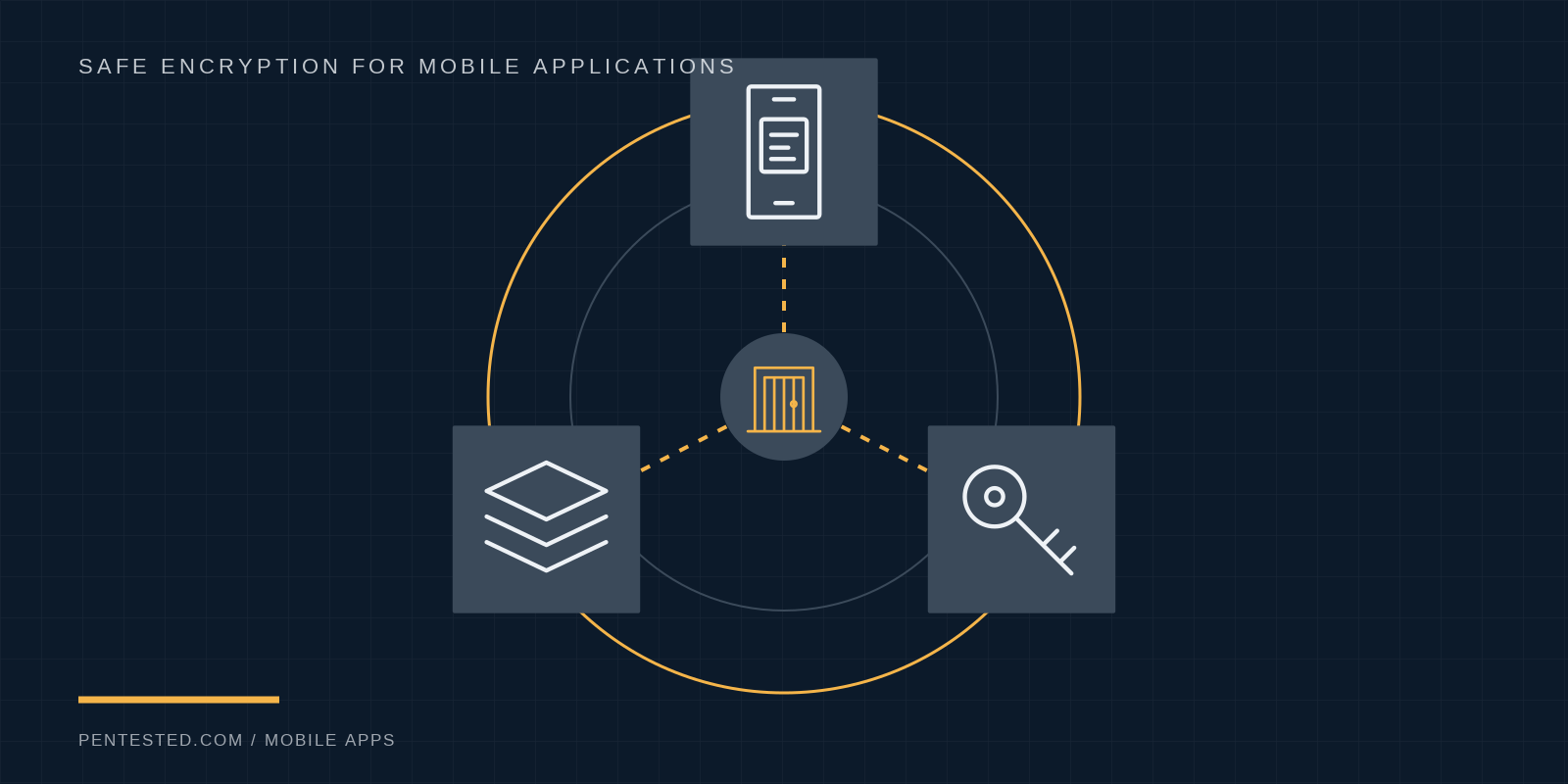
Choosing safe encryption for mobile applications
Explore safe encryption for mobile applications. Learn how it affects your business, what testers verify and which practical changes reduce the risk.