Android backup rules and device transfer exclusions
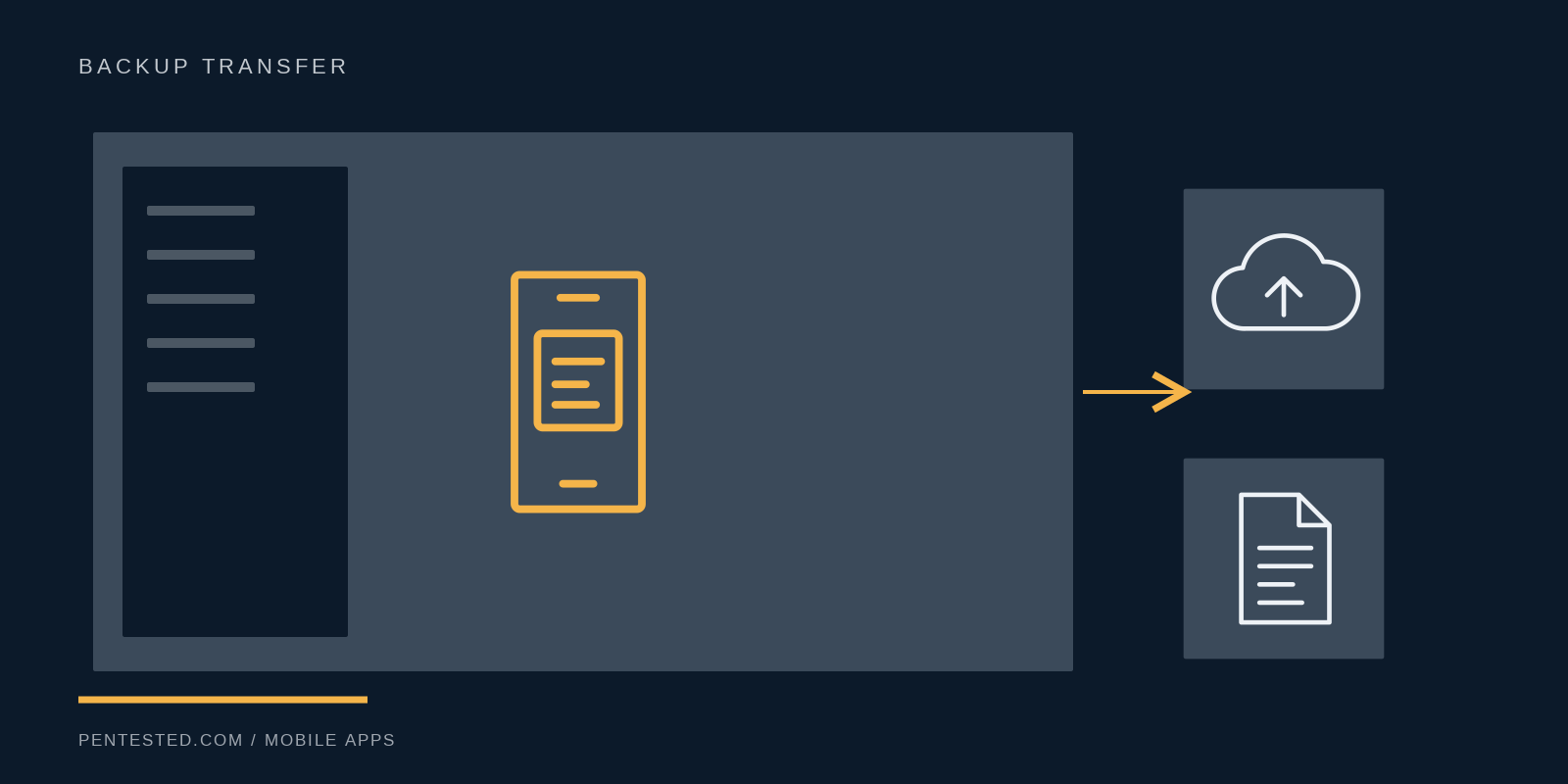
Android backups and device transfers can follow different inclusion rules. Understanding Android backup rules and device transfer exclusions helps establish which security property the feature needs and where that property is actually enforced.
What does this involve?
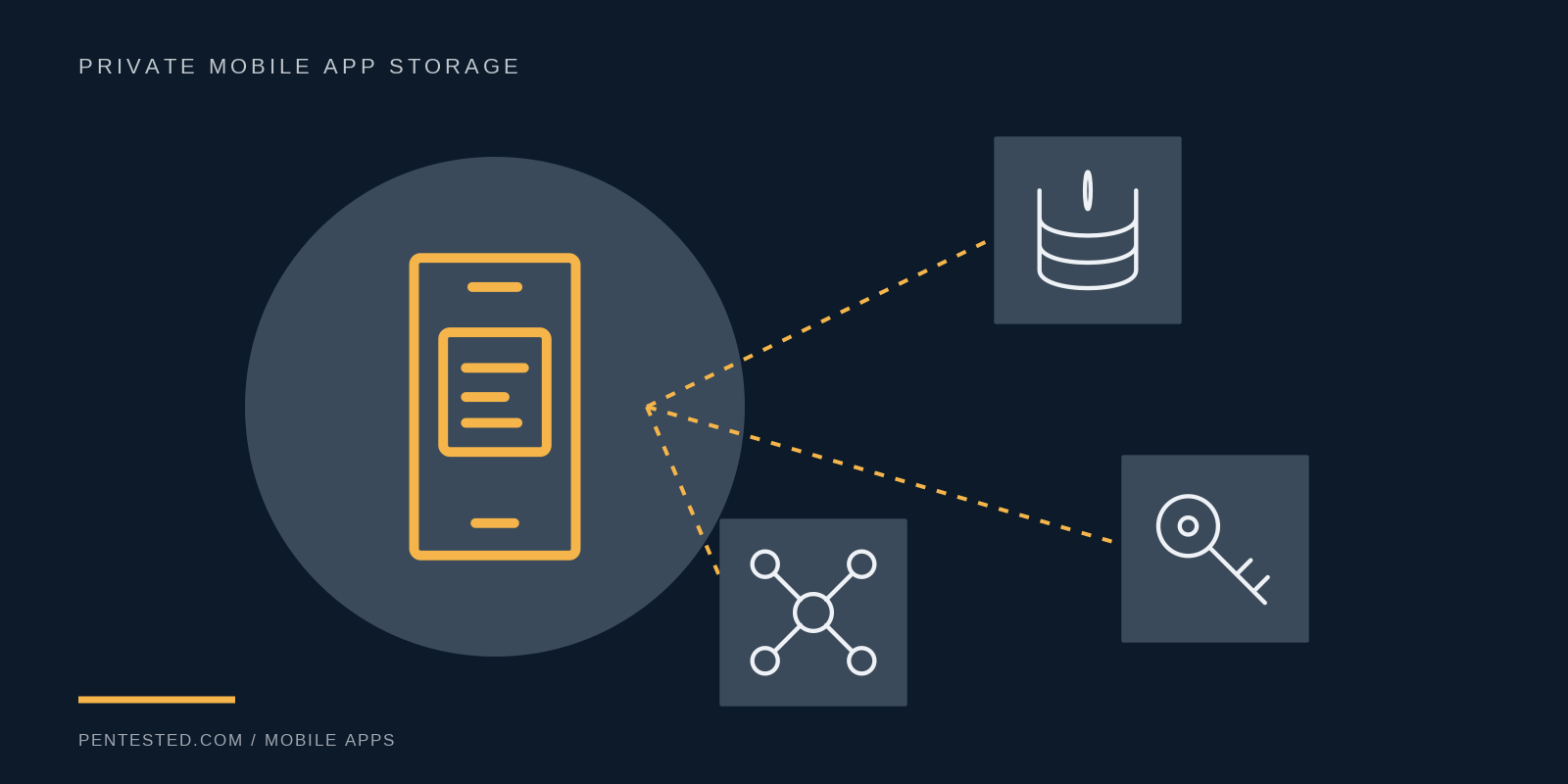
Storage security concerns the copies that remain after an operation has finished. Files, databases, caches and exports can have different access rules and retention periods. A protected main database does not automatically protect a temporary copy or a restored backup.
Why it matters
Consider a realistic failure: a protected file excluded from cloud backup is still copied during device transfer.
Exposure can involve private records, reusable credentials or information that identifies a customer. The practical impact depends on which copy is accessible, the access an attacker needs and whether the recovered material remains useful.
Mobile behaviour can change between a fresh installation, an authenticated session, background activity and a device migration. The assessment needs the actual release and representative supported device states.
How penetration testers check for it
Exercise supported backup and transfer paths using representative sensitive data.
- Trace where representative sensitive values are written.
- Compare effective access permissions and relevant device or account states.
- Check temporary copies, exports, backups and deletion behaviour.
- Establish whether recovered information grants any further access.
How to fix it
Set explicit rules for each supported mechanism and re-establish trusted authentication after restoration.
- Retain only the information needed for the service.
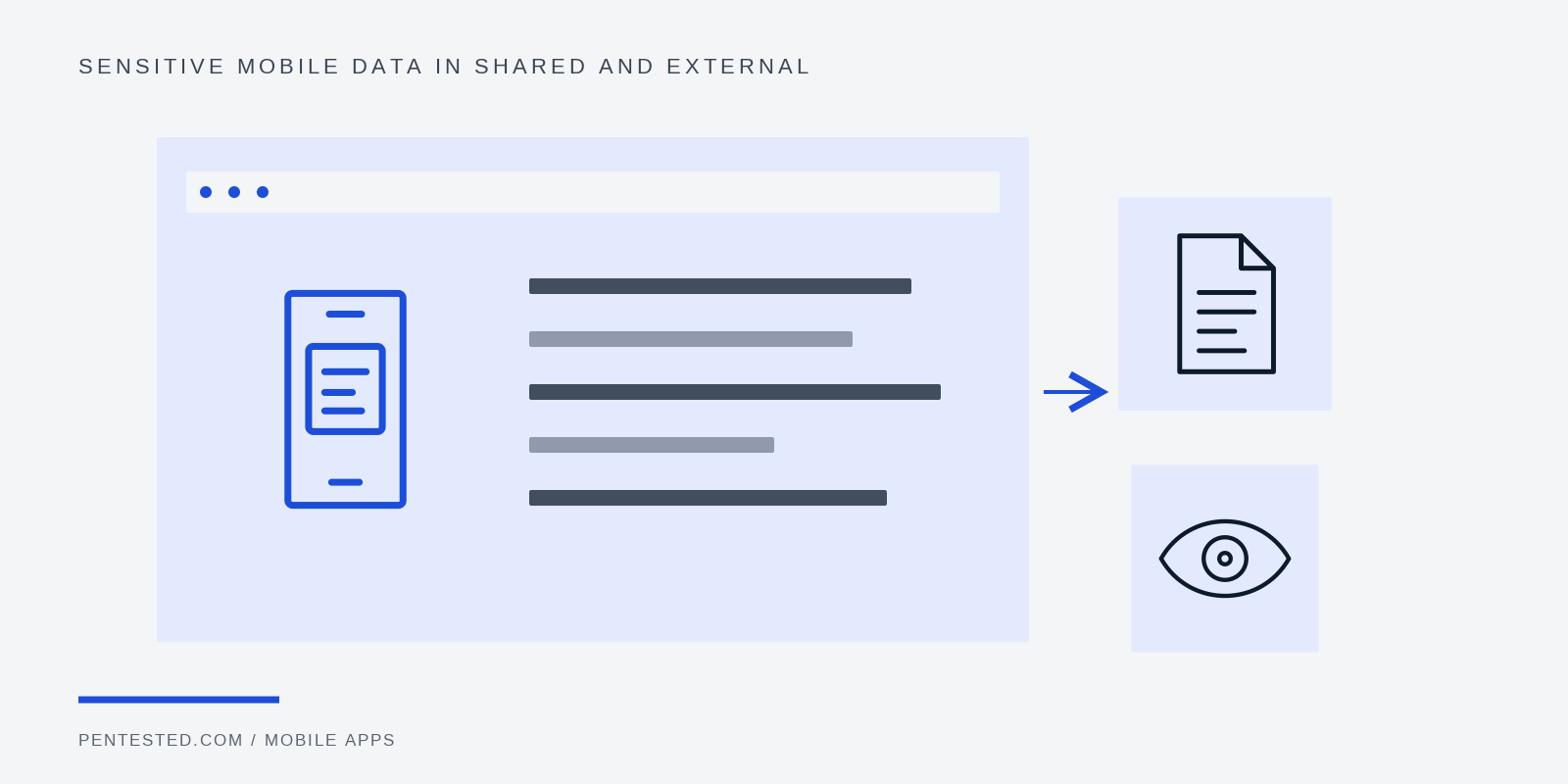
- Separate private working data from deliberately shared content.
- Protect encryption keys independently of encrypted files.
- Verify removal and recovery behaviour against the intended lifecycle.
Encryption is one part of the design. It cannot compensate for an application that willingly returns plaintext to an unauthorised caller.
Recheck the changed behaviour against the original failure conditions and the legitimate user journey. Keep enough evidence to show which release and configuration were verified, and include related entry points that depend on the same security decision.
Related issues
- Android SharedPreferences, Room and DataStore security
- Android Network Security Configuration review
- Android APK signing and release provenance
Read about our methodology or contact pentested.com to discuss your mobile applications.