Building secure file upload and processing workflows
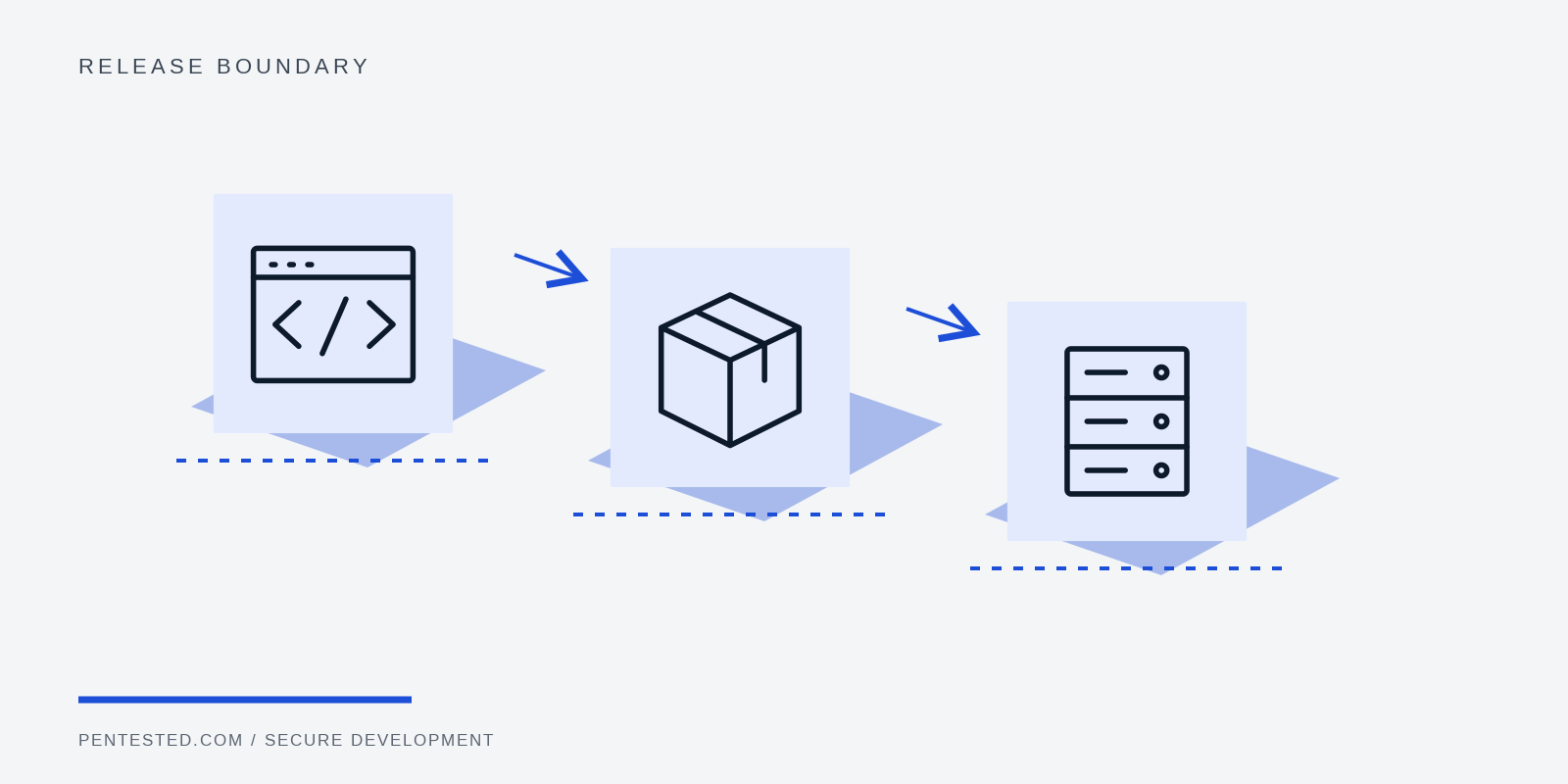
Building secure file upload and processing workflows connects a security requirement to the behaviour of a real feature. The relevant controls need to remain effective across custom code, integrations and the production configuration. Understanding secure file upload and processing workflows helps establish which security property the feature needs and where that property is actually enforced.
What does this involve?
Business logic security checks whether the application preserves the intended rules across a complete sequence of actions. State transitions, ownership, approval and retry handling can matter more than the validity of any individual input.
File upload is becoming a more and more essential part of any application, where the user is able to upload their photo, their CV, or a video showcasing a project they are working on. The application should be able to fend off bogus and malicious files in a way to keep the application and the users safe.
There is no silver bullet in validating user content. Implementing a defense in depth approach is key to make the upload process harder and more locked down to the needs and requirements for the service. Implementing multiple techniques is key and recommended, as no one technique is enough to secure the service.
Why it matters
Consider a realistic failure: an uploaded file passes a filename check but reaches an unsafe processor or an executable storage location.
Legitimate features can cause harm when used out of sequence, repeatedly or under an identity that should not control the current state. Financial loss, inventory disruption and unauthorised changes depend on the particular workflow.
Implementation guidance should be applied to a real feature and its deployment. Framework defaults, custom handlers and integrated services all influence whether the intended protection remains effective.
How penetration testers check for it
Trace the relevant feature from its entry point to the data or operation it protects, including custom code and alternate paths.
- Map the intended states and permitted transitions.
- Test alternate order, repetition and interrupted journeys.
- Compare ownership and approval across related operations.
- Inspect committed outcomes and background side effects.
How to fix it
Use the appropriate maintained mechanisms and verify the result in the actual production configuration.
- List allowed extensions. Only allow safe and critical extensions for business functionality.
- Ensure that input validation is applied before validating the extensions.
- Validate the file type, don't trust the Content-Type header as it can be spoofed.
- Set a filename length limit. Restrict the allowed characters if possible.
- Use atomic operations where competing requests affect the same decision.
- Retain regression cases for invalid transitions and retries.
A behaviour is not automatically a vulnerability because it is unusual. The finding needs a clear violated business rule and a meaningful unauthorised consequence.
Recheck the changed behaviour against the original failure conditions and the legitimate user journey. Keep enough evidence to show which release and configuration were verified, and include related entry points that depend on the same security decision.
Related issues
- Auditing uploaded file content and processing controls
- Unsafe file upload and download APIs
- Implementing secure password recovery workflows
Read about our methodology or contact pentested.com to discuss secure development and code review.


