Creating useful dependency graphs and software bills of materials
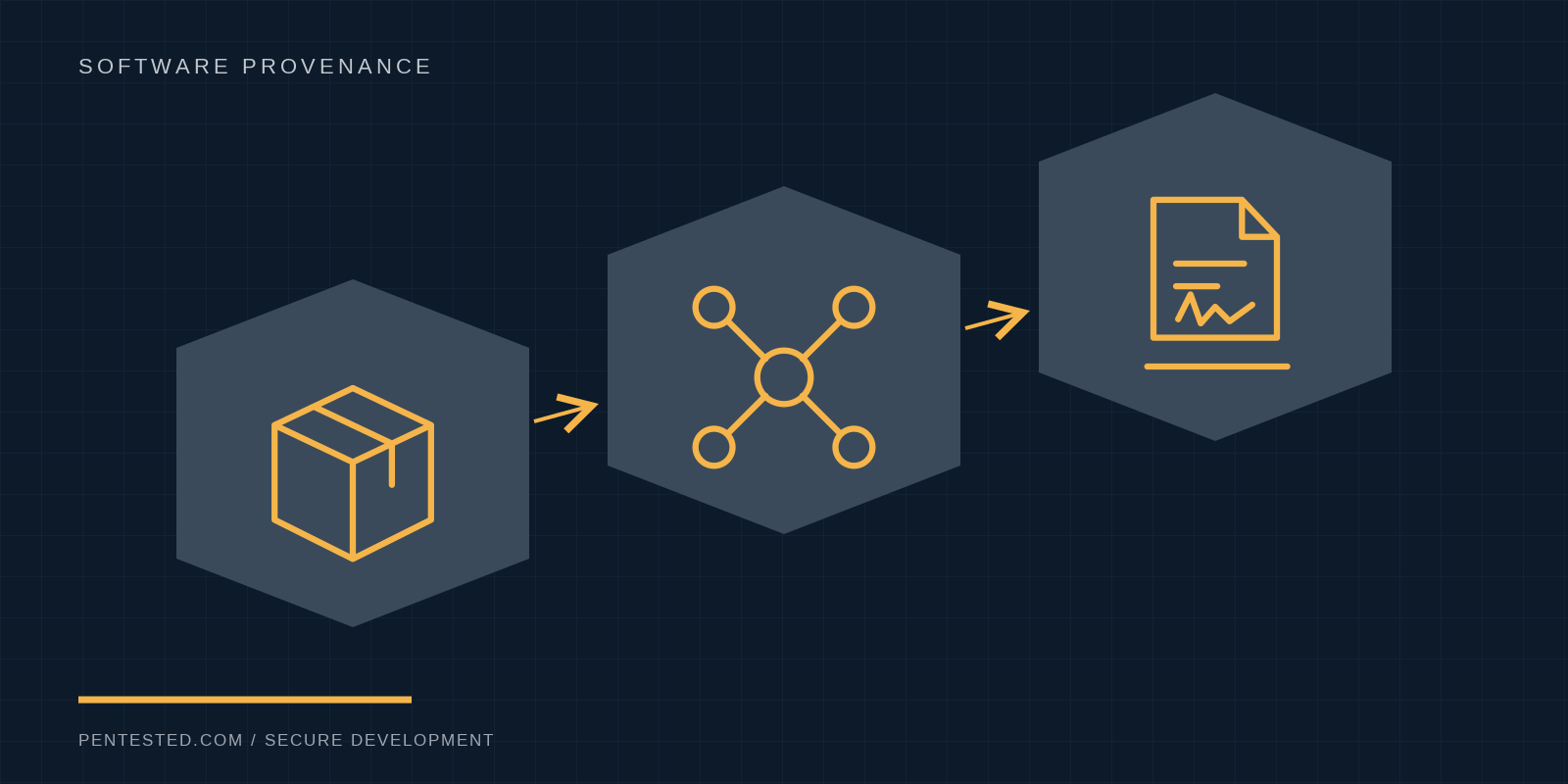
Creating useful dependency graphs and software bills of materials connects a security requirement to the behaviour of a real feature. The relevant controls need to remain effective across custom code, integrations and the production configuration. Understanding useful dependency graphs and software bills of materials helps establish which security property the feature needs and where that property is actually enforced.
What does this involve?
A software dependency becomes part of the application's effective behaviour and maintenance commitment. The important inventory is what the release actually contains, including transitive packages, bundled binaries and code that arrives through a build or update process.
A software bill of materials (SBOM) inventories software components; a dependency graph records their relationships. Use both to locate vulnerable components in releases and deployments. The CycloneDX SBOM guide describes these capabilities.
Record incomplete or unknown coverage explicitly. A component missing from an SBOM is not evidence that it is absent from the software. The CycloneDX guide covers metadata and completeness declarations.
Why it matters
Consider a realistic failure: a team knows its direct packages but cannot identify the transitive component actually present in production.
A compromised or vulnerable component may run with the application's privileges or receive information the business did not expect to share. Impact depends on reachability, permissions and actual data flows rather than a package name alone.
Implementation guidance should be applied to a real feature and its deployment. Framework defaults, custom handlers and integrated services all influence whether the intended protection remains effective.
How penetration testers check for it
Trace the relevant feature from its entry point to the data or operation it protects, including custom code and alternate paths.
- Inventory components in real release artefacts.
- Review provenance, integrity and relevant known weaknesses.
- Inspect transitive dependencies and unexpected runtime activity.
- Confirm whether affected code is reachable under realistic conditions.
How to fix it
Use the appropriate maintained mechanisms and verify the result in the actual production configuration.
- Use maintained and appropriately trusted dependencies.
- Pin and review relevant changes in the delivery process.
- Remove unnecessary components and reduce their permissions.
- Verify remediation in the shipped release and its supporting artefacts.
A vulnerability identifier is a starting point for investigation. Version evidence, affected functionality and deployment conditions determine whether it creates a confirmed application risk.
Recheck the changed behaviour against the original failure conditions and the legitimate user journey. Keep enough evidence to show which release and configuration were verified, and include related entry points that depend on the same security decision.
Related issues
- Building security into connected drone software and interfaces
- Implementing useful and privacy-conscious application logging
- Creating a consistent vocabulary for application security events
Read about our methodology or contact pentested.com to discuss secure development and code review.


