Gaps in AI dataset diversity and test coverage
A narrow evaluation dataset can hide failures that matter to real users and operations. Understanding gaps in AI dataset diversity and test coverage helps establish which security property the feature needs and where that property is actually enforced.
What does this involve?
AI data protection includes source documents, training material, retrieved context, logs and model outputs. Each copy has its own access and retention boundary. A correct permission check in the main application is insufficient if an index or tool exposes the same information elsewhere.
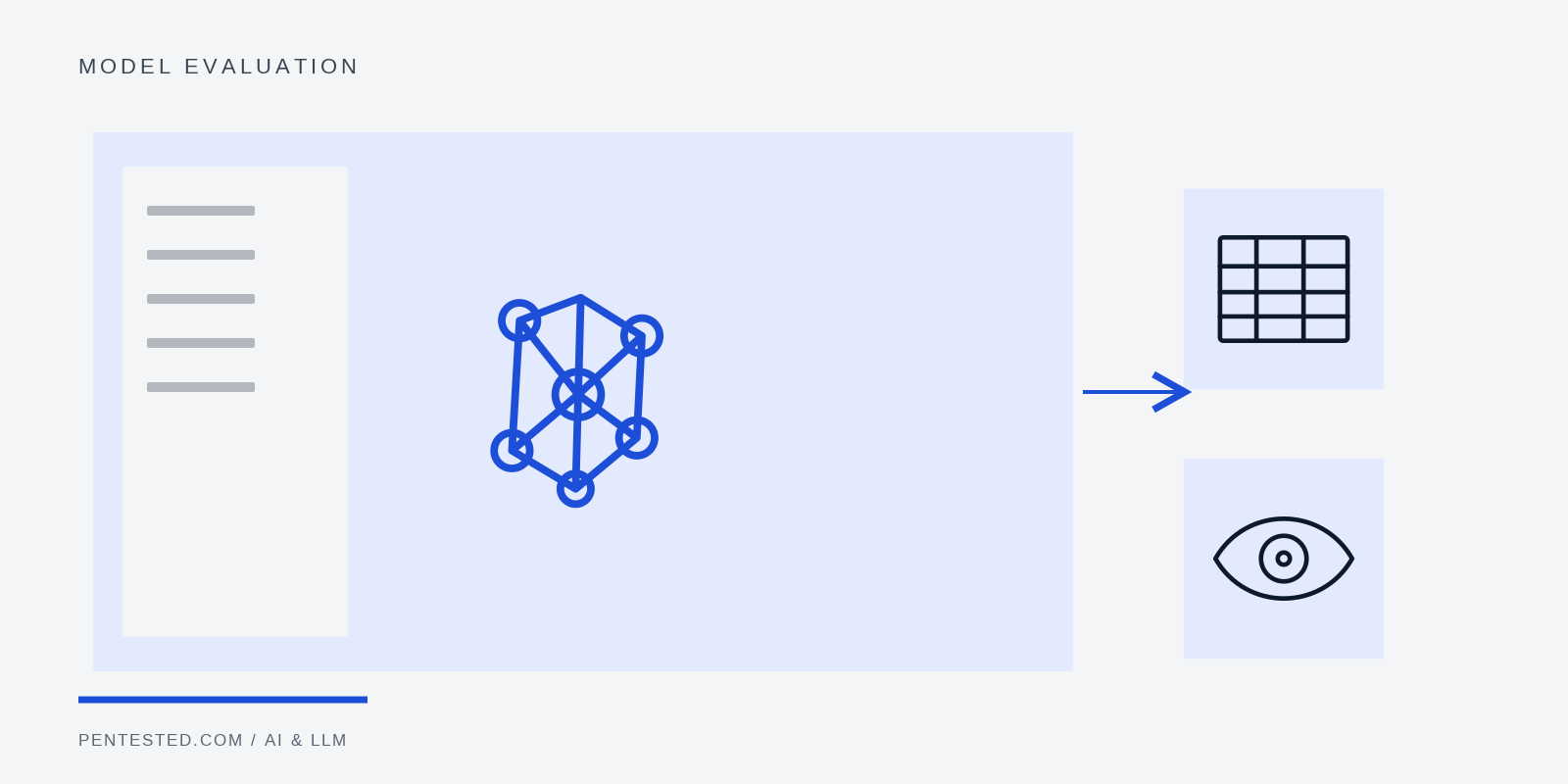
Dataset Diversity & Coverage testing ensures that AI training and evaluation datasets comprehensively represent diverse scenarios, populations, and contexts. Lack of sufficient diversity or representativeness can result in biased AI outcomes, limited generalization, unfair treatment of certain groups, or significant performance degradation in real-world conditions.
Why it matters
Consider a realistic failure: a model passes tests drawn from one language while failing another supported language.
A data weakness can affect confidentiality, privacy or the reliability of later AI decisions. The practical result depends on which material is available, who can influence it and how the application uses the resulting output.
AI testing needs recorded model and application conditions because outputs can vary. The important evidence is the protected information, decision or tool operation affected in the deployed workflow.
How penetration testers check for it
Review scenario diversity, populations, formats and consequential edge conditions.
- Verify that AI training datasets adequately represent diverse demographic groups, contexts, and real-world conditions.
- Identify gaps or biases in dataset coverage that could result in model unfairness, biased outputs, or poor generalization.
- Ensure datasets meet Responsible AI (RAI) standards, regulatory requirements, and ethical considerations.
- Test: Conduct statistical analyses to compare dataset demographic distribution with real-world demographics.
- Compare user and tenant boundaries across indexes and tools.
- Assess provenance, retention and implemented user controls.
How to fix it
Maintain representative test coverage and track known limits before extending deployment.
- Minimise sensitive data and unnecessary duplication.
- Preserve trustworthy provenance and ownership information.
- Enforce access before retrieval and consequential use.
- Verify deletion and isolation across relevant pipeline components.
A vector representation should not be assumed anonymous or permission-free. Its exposure and use need to be assessed according to the original data and the capabilities available to a recipient.
Recheck the changed behaviour against the original failure conditions and the legitimate user journey. Keep enough evidence to show which release and configuration were verified, and include related entry points that depend on the same security decision.
Related issues
- Scoping an AI penetration test across models, data and integrations
- Auditing coverage of security-relevant application events
- Reviewing multi-factor authentication control coverage
Read about our methodology or contact pentested.com to discuss your AI applications and agent workflows.