Penetration testing and security guides — page 36
How penetration tests work, what the findings mean and how to fix them.

API cache keys and cross-user data exposure
Review API cache keys and cross-user data exposure. Understand the business impact and the checks that guide an effective fix with practical examples.
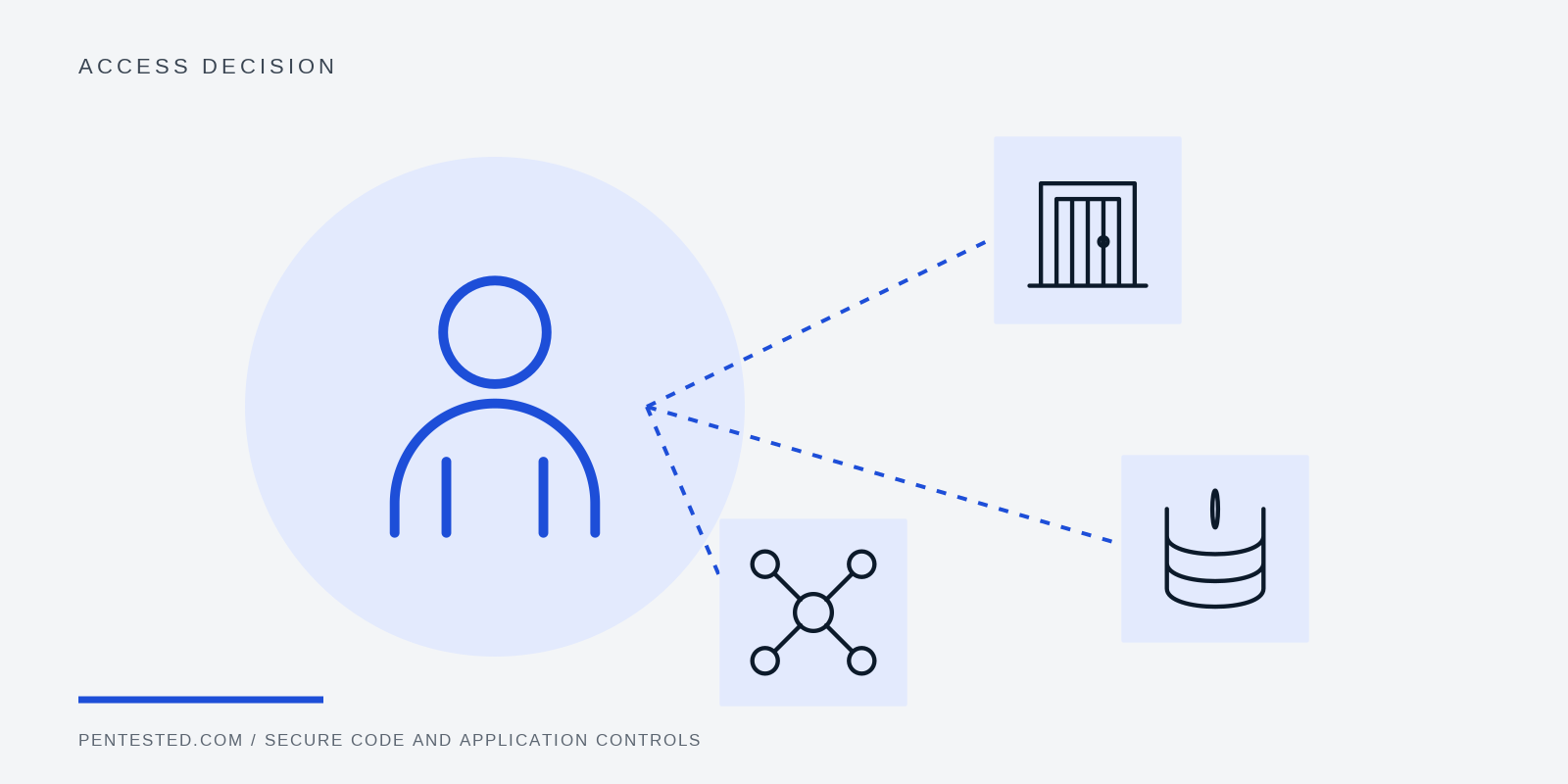
Documenting application roles, permissions and access rules
Explore application roles and permissions and access rules. Understand the business impact and the checks that guide an effective fix for developers.

Building and running application containers with limited privileges
Understand and running application containers with limited privileges. Explore realistic risks, testing checks and practical fixes for security teams.
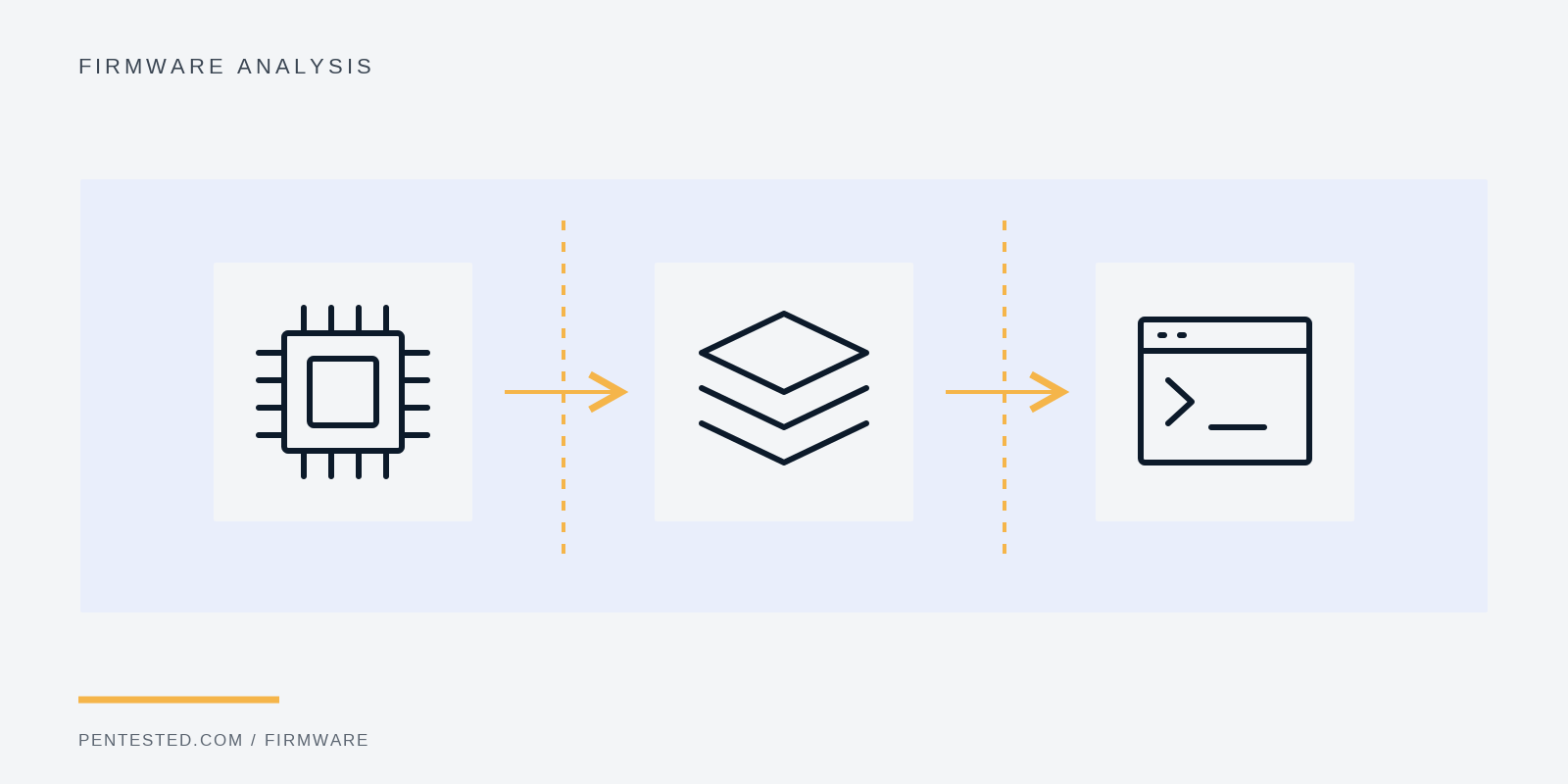
Validating firmware memory corruption and control-flow impact
Explore validating firmware memory corruption and control-flow impact. Explore realistic risks, testing checks and practical fixes for security teams.
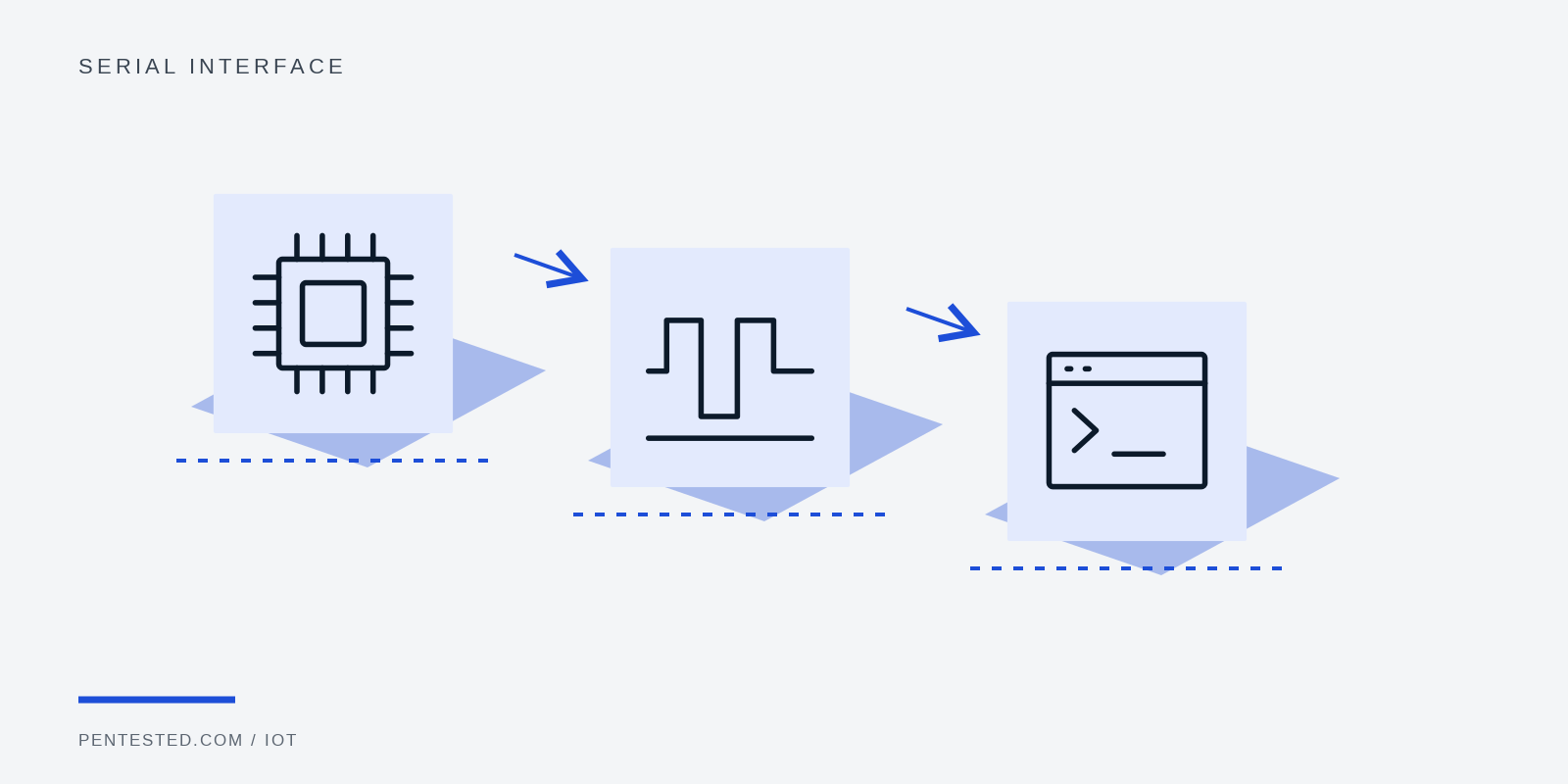
Sensitive information in IoT serial output
Explore sensitive information in IoT serial output. Understand the business impact and the checks that guide an effective fix with practical examples.
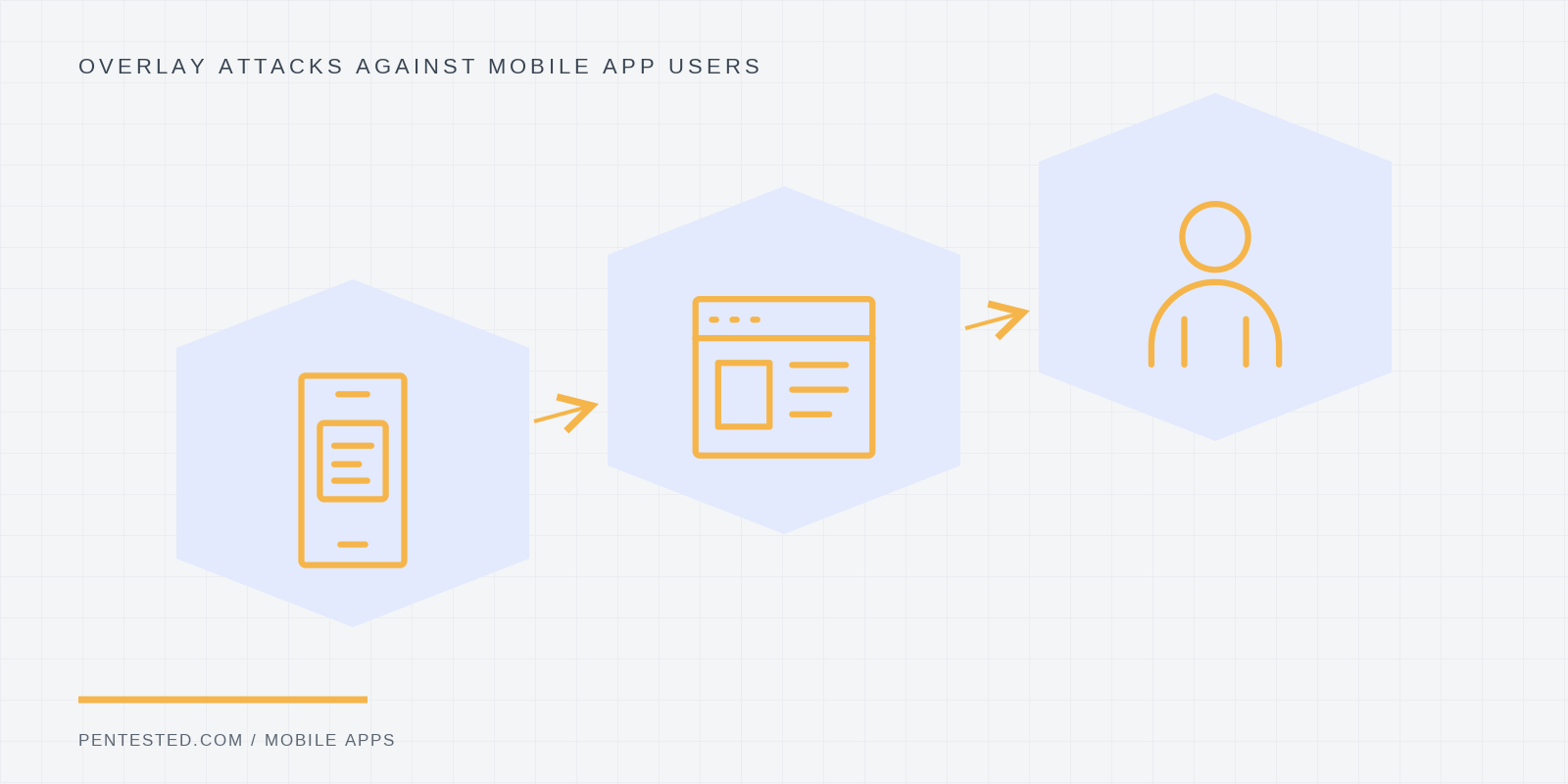
Overlay attacks against mobile app users
Explore overlay attacks against mobile app users. Learn how it affects your business, what testers verify and which practical changes reduce the risk.
Cascading failures across connected AI agents
Review cascading failures across connected AI agents. See practical examples, useful verification checks and ways to strengthen the relevant controls.
CORS and cookie authentication risks in browser-facing APIs
Explore CORS and cookie authentication risks in browser-facing APIs. Explore realistic risks, testing checks and practical fixes in real applications.
Auditing authorisation architecture and default-deny behaviour
Understand authorisation architecture and default-deny behaviour. Explore realistic risks, testing checks and practical fixes with practical examples.