Penetration testing and security guides — page 23
How penetration tests work, what the findings mean and how to fix them.
Privilege escalation through IoT internal interfaces
Review privilege escalation through IoT internal interfaces. Understand the business impact and the checks that guide an effective fix for developers.
Step-up authentication for high-risk mobile actions
Explore step-up authentication for high-risk mobile actions. Understand the business impact and the checks that guide an effective fix for developers.

How user registration security prevents fake accounts
Learn how user registration security checks who can join your application, what testers assess, and how to control approval, identity and initial access.
AI plugin trust boundaries and unauthorised capabilities
Understand AI plugin trust boundaries and unauthorised capabilities. Explore realistic risks, testing checks and practical fixes in real applications.
API request schema and content type validation
Review API request schema and content type validation. Understand the business impact and the checks that guide an effective fix in real applications.
Auditing file download paths, permissions and response handling
Review file download paths and permissions and response handling. Explore realistic risks, testing checks and practical fixes with practical examples.
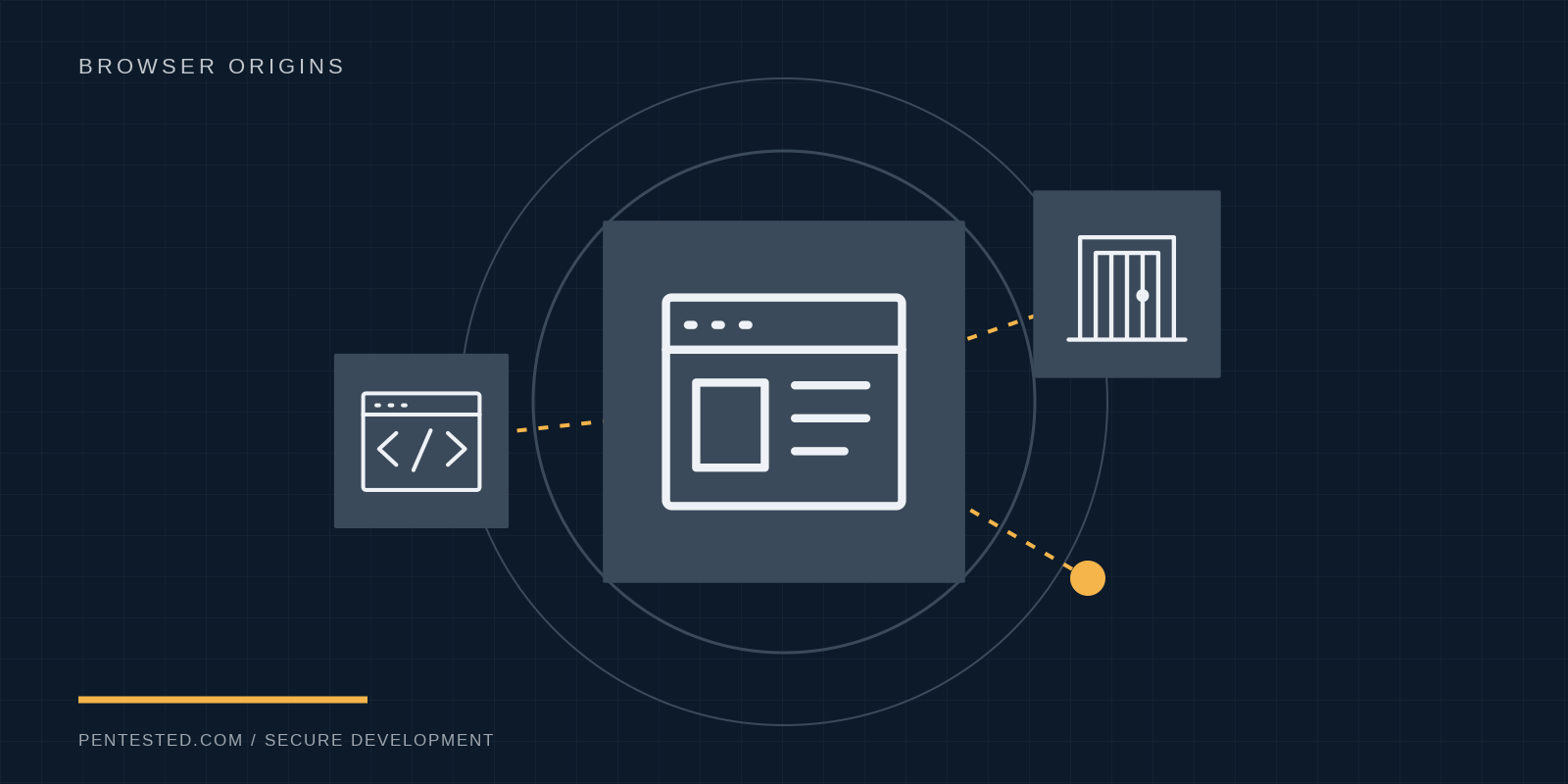
Implementing browser controls against clickjacking
Understand browser controls against clickjacking. Learn how it affects your business, what testers verify and which practical changes reduce the risk.
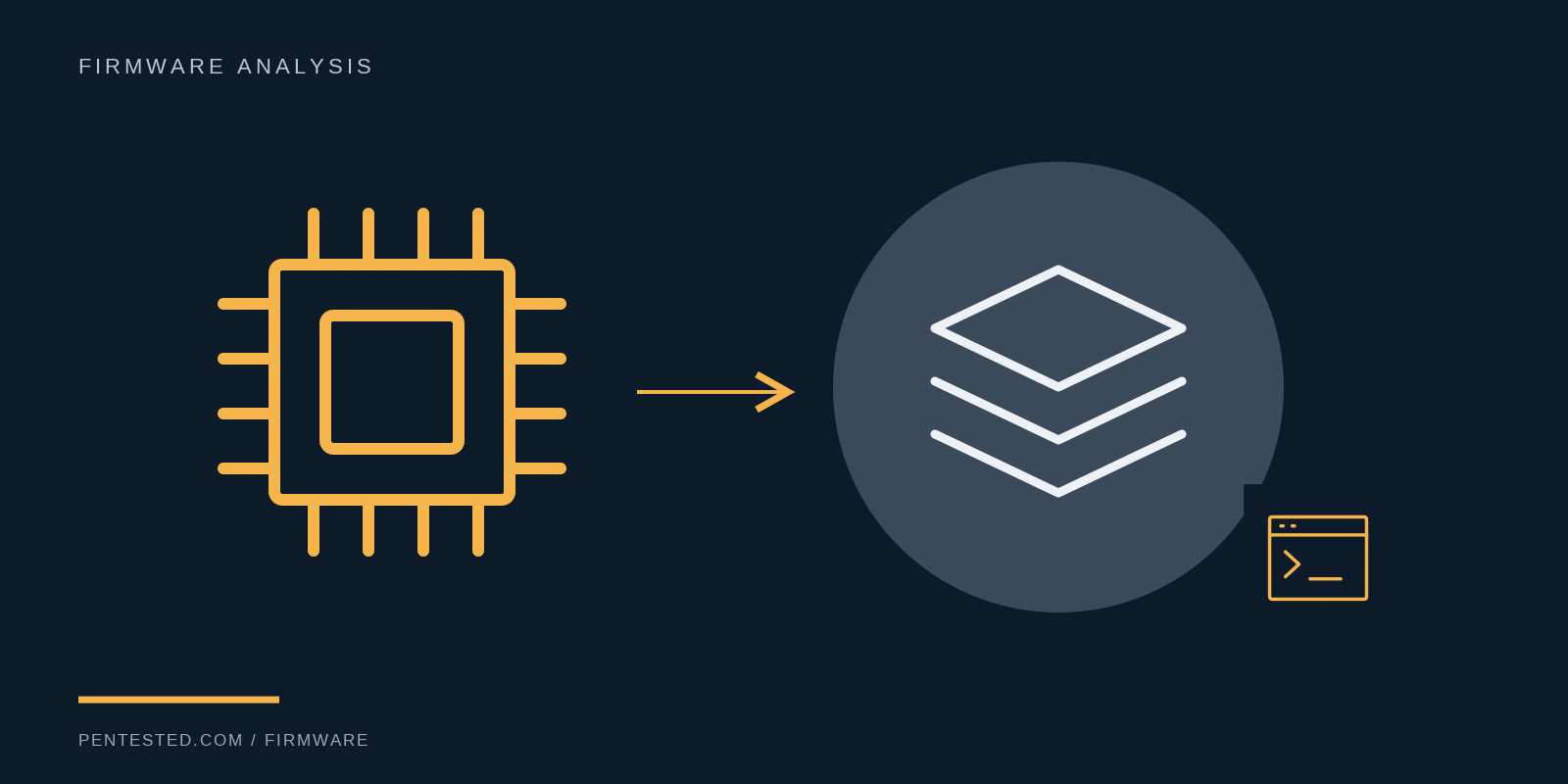
User-mode emulation for firmware service testing
Review user-mode emulation for firmware service testing. Understand the business impact and the checks that guide an effective fix for security teams.
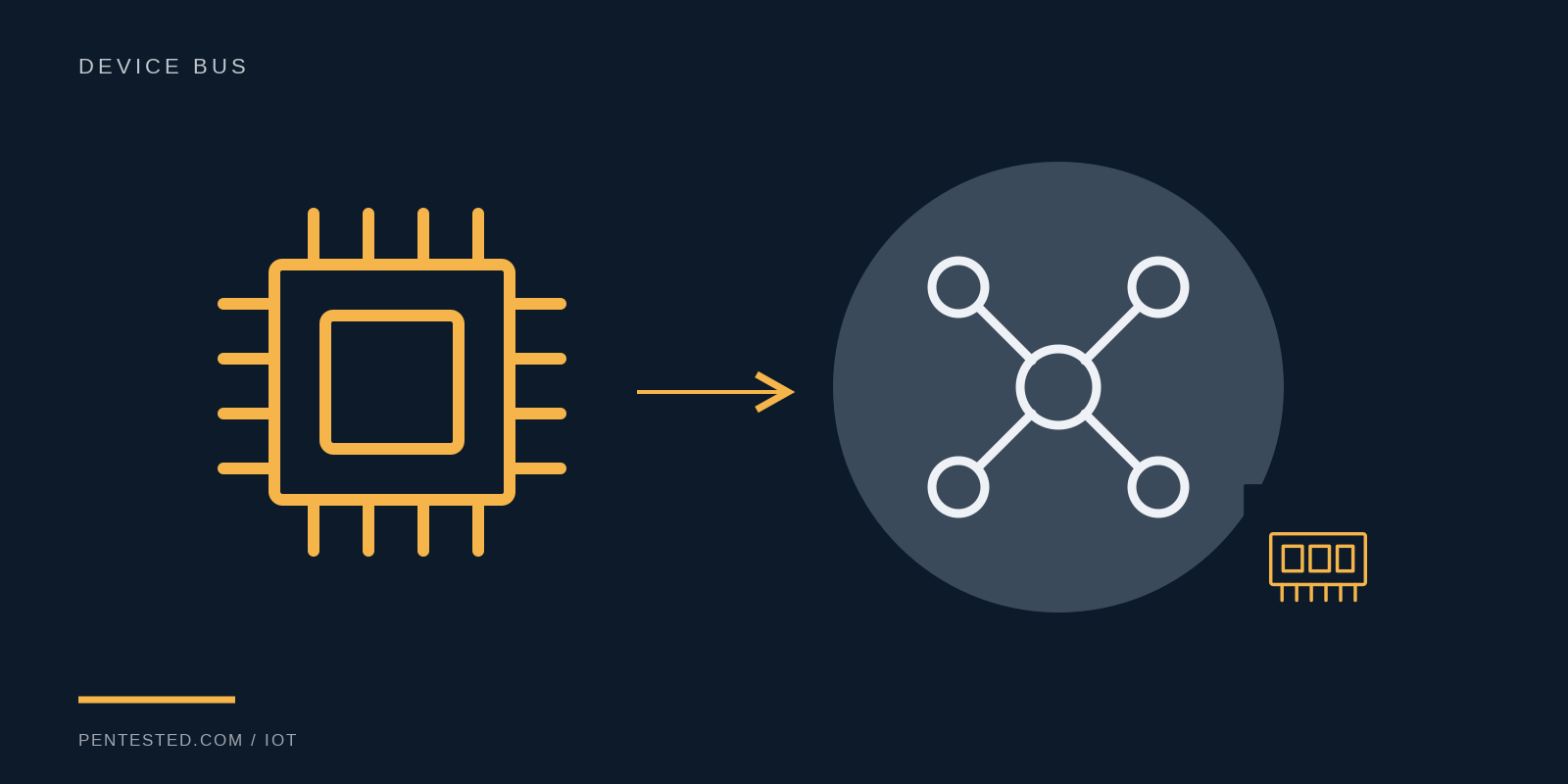
Information exposed through IoT internal interfaces
Explore information exposed through IoT internal interfaces. Understand the business impact and the checks that guide an effective fix for developers.