Reviewing OAuth consent, scopes and delegated access lifecycle
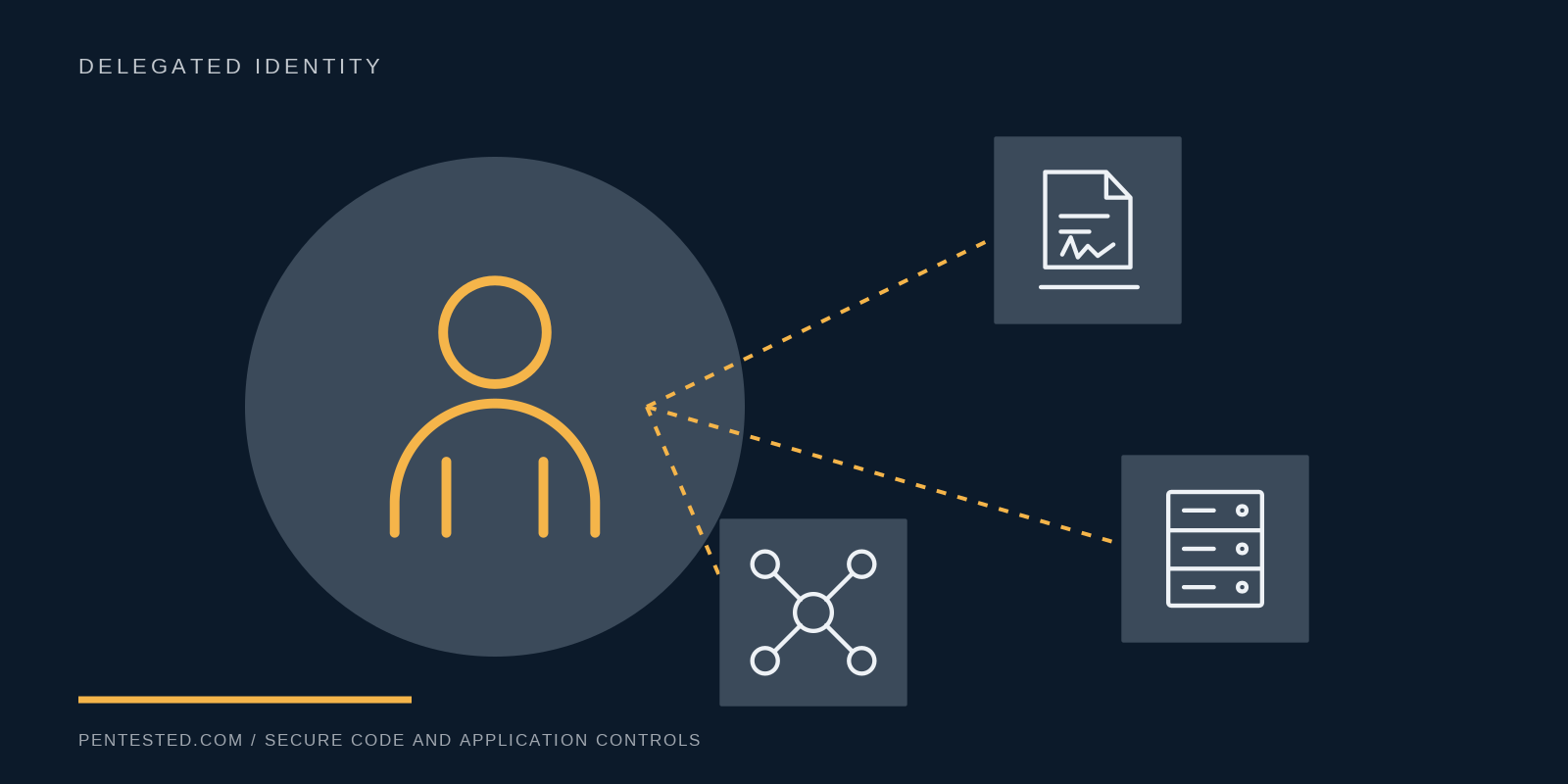
OAuth and OpenID Connect distribute security decisions among clients, providers and resource services. Understanding OAuth consent and scopes and delegated access lifecycle helps establish which security property the feature needs and where that property is actually enforced.
What does this involve?
Privacy controls need an accurate account of what information is collected, where it goes and how long it remains useful. Interface choices and declarations should match the behaviour of the actual release, including third-party components and background processing.
These requirements cover the verification of the user's consent by the authorisation server. Without proper user consent verification, a malicious actor may obtain permissions on the user's behalf through spoofing or social-engineering.
Why it matters
Consider a realistic failure: one component trusts a redirect, token or identity assertion without verifying its intended binding to the current flow.
Unexpected collection or ineffective user controls can expose personal information and undermine trust in the service. Technical testing should establish observable data handling and the effect of user choices without promising that a single check proves legal compliance.
A code audit connects a stated requirement to the implementation responsible for enforcing it. Source review and targeted behavioural checks should explain the same boundary and any relevant exceptions.
How penetration testers check for it
Review the specific control expectations below against the code, deployment and observable application behaviour.
- Confirm that the authorisation server ensures that the user consents to each authorisation request. If the identity of the client cannot be assured, the authorisation server must always explicitly prompt the user for consent.
- Confirm that when the authorisation server prompts for user consent, it presents sufficient and clear information about what is being consented to. When applicable, this should include the nature of the requested authorisations (typically based on scope, resource server, Rich Authorisation Requests (RAR) authorisation details), the identity of the authorised application, and the lifetime of these authorisations.
- Confirm that the user can review, modify, and revoke consents which the user has granted through the authorisation server.
- Test refusal, withdrawal, deletion and account transitions.
- Review integrated components and retained copies.
How to fix it
Implement the required boundary in the component that actually performs the sensitive operation and retain focused regression coverage.
- Collect and retain only what the service needs.
- Use protective defaults and understandable controls.
- Enforce current user choices across relevant data flows.
- Keep the data inventory and public descriptions aligned with releases.
Privacy notices and technical controls work together. Accurate wording cannot fix unnecessary collection, and a configuration flag does not prove that every data recipient follows it.
Recheck the changed behaviour against the original failure conditions and the legitimate user journey. Keep enough evidence to show which release and configuration were verified, and include related entry points that depend on the same security decision.
Related issues
- MCP server authentication, scopes and delegated user identity
- OAuth access token audience and scope validation in APIs
- Auditing OAuth authorisation server grants and token issuance
Read about our methodology or contact pentested.com to discuss the security of your application code.