Sandbox boundaries for AI code execution and file access
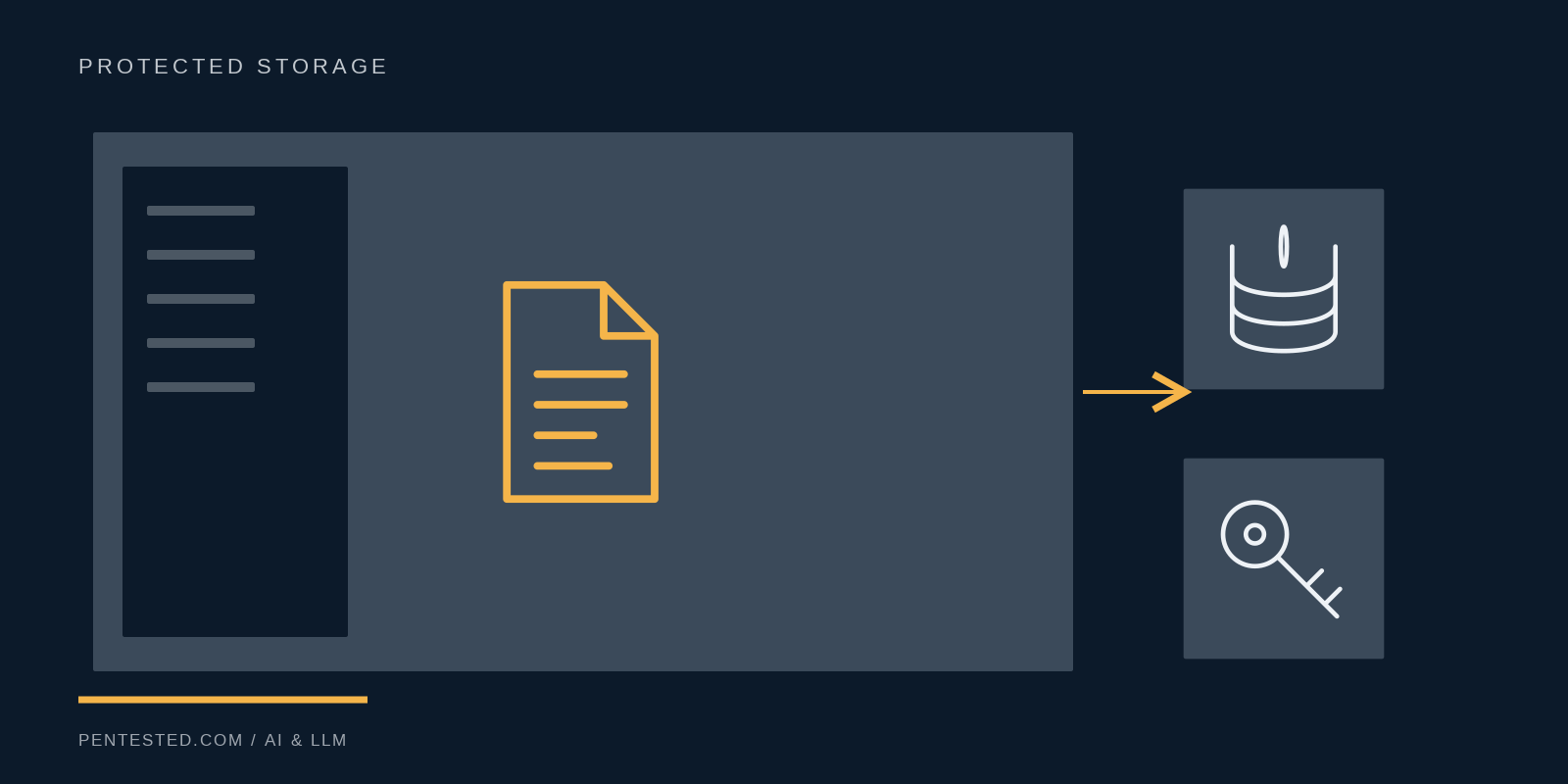
A code execution sandbox must limit what a model-directed task can read, modify or contact. Understanding sandbox boundaries for AI code execution and file access helps establish which security property the feature needs and where that property is actually enforced.
What does this involve?
An agent combines a model with tools, identity and the ability to progress through a task. Permissions and approvals need to constrain the actual operations performed, regardless of how convincingly the agent explains its plan.
Why it matters
Consider a realistic failure: an analysis task can reach production credentials and unrestricted network destinations.
A broad tool credential can turn an instruction-following failure into access to files, records or business actions. Persistent memory and delegated work can extend the effect beyond the original request or conversation.
AI testing needs recorded model and application conditions because outputs can vary. The important evidence is the protected information, decision or tool operation affected in the deployed workflow.
How penetration testers check for it
Assess filesystem mounts, process privileges, secrets and outbound access.
- Map tools, identities and delegated capabilities.
- Compare proposed actions with submitted parameters and effects.
- Test untrusted inputs and changes to persistent state.
- Review cancellation, revocation and containment.
How to fix it
Isolate execution and grant only the files and capabilities required for the task.
- Expose narrow, validated tools and scoped credentials.
- Bind important approval to the exact action and values.
- Separate users and trust levels in memory and messaging.
- Provide independent limits and shutdown mechanisms.
Human approval is useful only when the person can see and verify the consequential operation. A generic confirmation prompt is not a substitute for precise authority and trustworthy action binding.
Recheck the changed behaviour against the original failure conditions and the legitimate user journey. Keep enough evidence to show which release and configuration were verified, and include related entry points that depend on the same security decision.
Related issues
- Unexpected code execution through AI agent workflows
- Reviewing application file storage and execution boundaries
- AI plugin trust boundaries and unauthorised capabilities
Read about our methodology or contact pentested.com to discuss your AI applications and agent workflows.