Fine-tuning poisoning and unsafe model customisation
Fine-tuning can weaken safeguards or introduce targeted behaviour through manipulated inputs and objectives. Understanding fine-tuning poisoning and unsafe model customisation helps establish which security property the feature needs and where that property is actually enforced.
What does this involve?
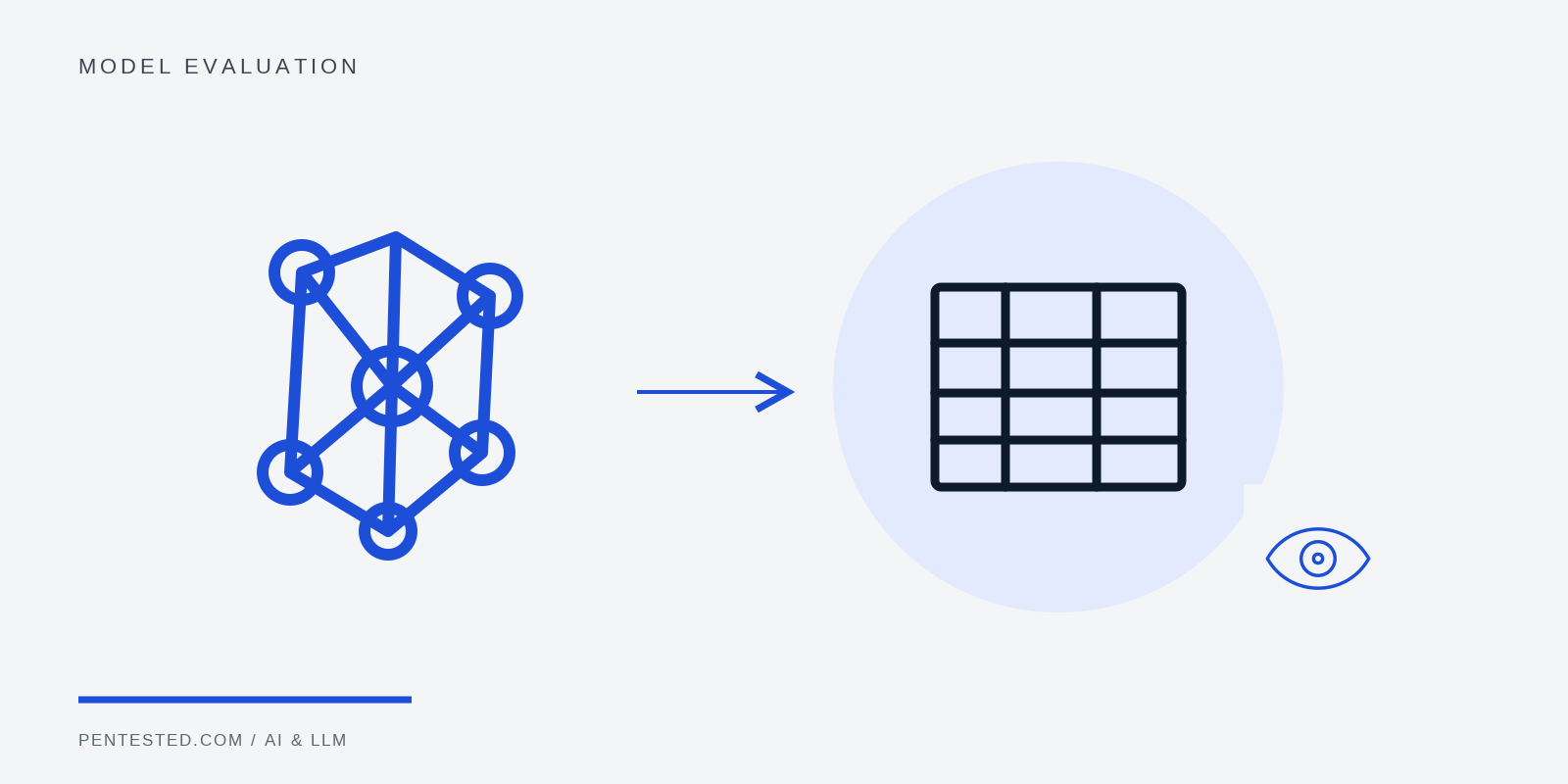
Model evaluation needs representative inputs and evidence of the decisions or behaviours the deployed system relies on. Aggregate accuracy can hide a targeted failure, a poorly represented user group or a meaningful change after an update.
Why it matters
Consider a realistic failure: an unreviewed fine-tuning dataset introduces a hidden response trigger.
The effect of a model weakness depends on its position in a real workflow. A wrong prediction can range from a minor inconvenience to an unsafe or unauthorised decision when other components trust it without appropriate checks.
AI testing needs recorded model and application conditions because outputs can vary. The important evidence is the protected information, decision or tool operation affected in the deployed workflow.
How penetration testers check for it
Review change ownership, training inputs and security-specific behavioural comparisons.
- Define the security-relevant behaviour being assessed.
- Use representative data and controlled comparisons.
- Record model versions, settings and repeated outcomes.
- Connect failures to actual downstream decisions and capabilities.
How to fix it
Protect the tuning pipeline and validate the resulting model before production use.
- Control data and model provenance and changes.
- Evaluate relevant robustness and privacy properties.
- Use independent safeguards for consequential decisions.
- Re-run regression coverage after model and deployment changes.
A single unusual output rarely supports a broad claim about a model. Evidence should describe the conditions, repeatability and practical consequence without implying certainty beyond the observed result.
Recheck the changed behaviour against the original failure conditions and the legitimate user journey. Keep enough evidence to show which release and configuration were verified, and include related entry points that depend on the same security decision.
Related issues
- Poisoning AI models during runtime adaptation
- AI model theft during development and deployment
- Harmful content and unsafe examples in AI datasets
Read about our methodology or contact pentested.com to discuss your AI applications and agent workflows.